4 hours ago
13
4 hours ago
13
Thames Water has amended the blueprint of a planned mega-reservoir in Oxfordshire as the struggling utility tries to convince regulators that construction should go ahead amid warnings of “catastrophic consequences”.
The White Horse reservoir near Abingdon is scheduled to hold 150bn litresof water with a surface area of 6.7 sq km (2.6 sq miles) – almost the same size as Gatwick airport.
The estimated cost has rocketed from £2.2bn to between £5.5bn and £7.5bn after a review last year more than tripled the site to 38 sq km to accommodate extra building works, relocate adjacent solar farms and reroute local rivers and streams.
Thames Water said the scheme, formerly known as the South East Strategic Reservoir Option, needed “additional access points to carry out construction and environmental mitigation works, such as new habitat creation”, forcing it to carry out “targeted consultation with landowners, and those with an interest in land that may be impacted by this change”.
A public consultation into the original plans concluded in January. Last week, a further consultation began and is expected to end next month. Thames aims to submit a planning application by late 2026.
If approved, main works construction would begin in 2032 with water available by 2040, serving 15 million people.
Thames said the reservoir is needed to cope with the growing population in the south-east and the changing climate, which has put pressure on water resources in many parts of the UK, including during this summer’s heatwaves.
Rapid, a partnership between the industry regulator Ofwat, the Environment Agency and the Drinking Water Inspectorate, which oversees the early development of large-scale water infrastructure projects, said there was a projected shortfall of more than 2bn litres a day by 2055.
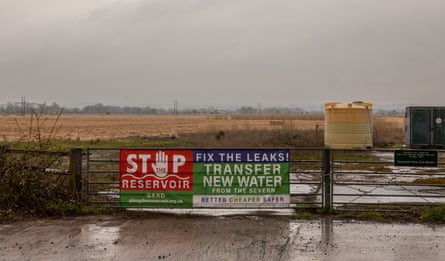
Campaigners have accused Thames Water of underestimating the reservoir’s cost and overstating its strategic value since plans for a 10 sq km, £1bn project were first put forward in 2006.
The reservoir has proved controversial after designs showed the facility would be largely above ground level and would need walls up to 25 metres high to contain the main body of water, making it the largest “fully bounded” reservoir in Europe.
The site is one of the few in the south of England with enough clay across a large area to build a reservoir, but the clay is only a few metres deep, forcing Thames to build the UK’s first walled reservoir structure.
The most recent estimates of costs are in 2023 prices, leading critics to say that after three years of high inflation, especially in the construction industry, the estimated cost of the White Horse reservoir is more likely to be £7.5bn-£10bn.
Customers of Thames Water, Affinity Water and Southern Water are due to pay for the new reservoir through their bills over the next 100 years.
after newsletter promotion
At the end of March, the regulated value of Thames’s assets was estimated at £23bn while its net debt increased to £18.5bn. Ministers are considering whether to put the company into special administration or accept a solution put forward by creditors to maintain private-sector control after a debt write-off.
The Vale of White Horse district council, Abingdon town council and Oxfordshire county council have rejected the plans, citing flood risks to neighbouring villages from rivers and streams on the site that will need to be diverted.
Derek Stork, chair of the Group Against Reservoir Development, said the reservoir was a flawed concept and there were more sustainable ways to supply water to the area. He said Thames Water had failed to consult adequately with local organisations, councils and residents.
“No dam breach analysis or comprehensive flood risk modelling has been shared, despite the reservoir’s location on a red-rated flood plain and the potential for catastrophic consequences in the event of failure,” he said. A red-rated area is at severe risk of flooding, according to the Environment Agency.
A Thames Water spokesperson said: “This consultation is just the latest part of our ongoing programme of engagement around the project, which we have been undertaking for more than four years.
“The feedback we get, along with feedback gathered during our statutory public consultation last year, will help inform our proposals.”