3 months ago
88
3 months ago
88
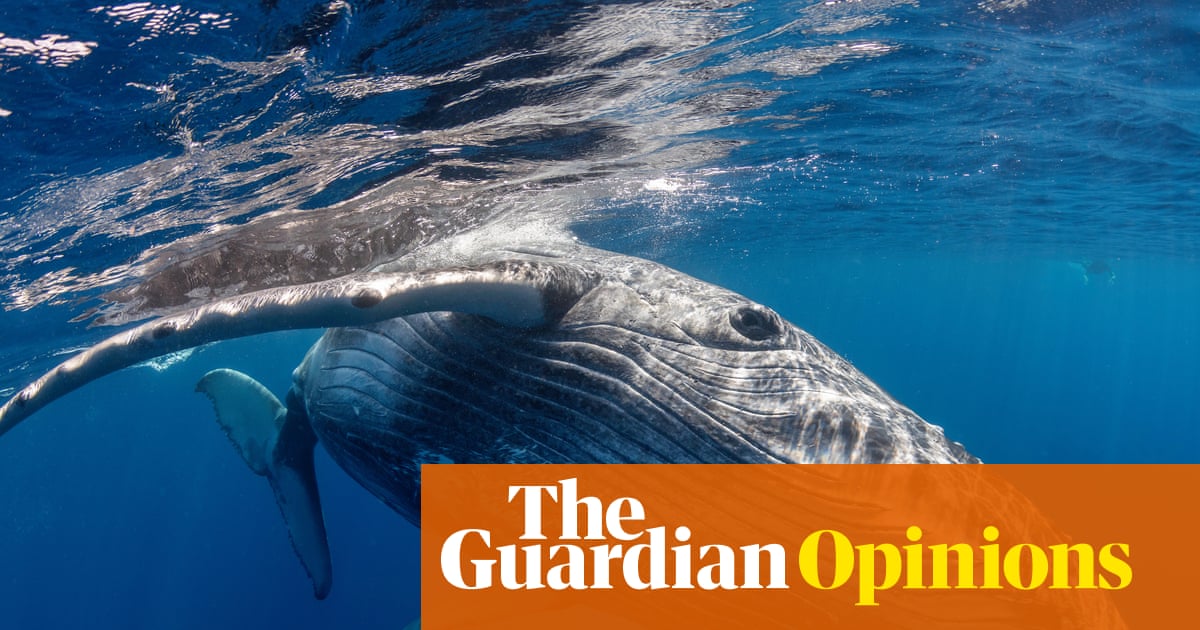
The ocean is running a fever. In 2025, the number of days of marine heatwaves – prolonged spells when the sea turns abnormally, dangerously warm – was more than triple what it was in the early 1990s.
These are not abstract statistics. A severe and persistent marine heatwave bleaches coral reefs, strips away the kelp forests that shelter young fish, empties fishing grounds and – if occurring frequently – can tip whole ecosystems past the point of recovery.
It scrambles the chemistry the ocean lives by its acidity, its oxygen, the carbon it trades with the air, and can feed fiercer weather on land. For the coastal communities whose food and livelihoods come from the sea, the harm is immediate and personal.
I have spent my career studying where the heat from climate change actually goes. The answer, overwhelmingly, is the sea. The ocean has absorbed more than 90% of the excess heat that human activity has trapped on Earth, quietly buffering those of us on land from the full force of warming. For decades, that made it our greatest and most uncomplaining ally. Ocean warming and more frequent and intense marine heatwaves are signs that the buffer is straining. The heat we have poured into the ocean is beginning to surface as harm.
More frequent and intense marine heatwaves are just one of many new warning lights in this year’s Indicators of Global Climate Change (IGCC) report, the annual health check on the climate system compiled by more than 70 researchers from more than 50 institutions worldwide in the years between the next official UN assessment in 2028. But the climate system is changing in ways we can measure every year, and the single most revealing measurement is one most people have never heard of.
It is called the Earth’s energy imbalance, and it is the closest thing we have to a master gauge of climate change: the gap between the energy reaching us from the sun and the energy the planet manages to radiate back out to space. In a stable climate, the two are roughly equal. However, several things are now prising them apart. By far the largest is the greenhouse gases humans keep adding, which thicken the atmosphere’s insulating blanket and trap heat that would otherwise escape. But they are not the whole story.
As we clean up the dirty air pollution of the past, we are also losing the faint reflective haze it cast, letting more sunlight through. As the planet heats, it triggers feedback that amplify warming. Bright, reflective ice giving way to dark, heat-absorbing ocean, cloud changes that tend to leave the Earth absorbing more energy than before and warming soils and waters releasing greenhouse gases of their own. Together, greenhouse gas emissions and this feedback are tipping the scales. Far less energy is now leaving than coming in, and the imbalance has more than doubled since the late 20th century.
The Earth is, quite literally, out of balance, storing heat faster and faster. This is the engine behind nearly everything else the report records: rising temperatures, melting ice, fiercer extremes, and the intensifying marine heatwaves now scarring the ocean. The latest findings estimate that human-induced warming has reached approximately 1.37C above pre-industrial levels
The other indicators in this IGCC report build a fuller picture of how this growing energy imbalance is fuelling impacts for people around the globe. The rate of sea-level rise has more than doubled in recent decades, and it continues to accelerate. In 2025, we passed a new record of 23 cm of rise since 1901, which is pushing floodwaters further into low-lying coastlines and raising the floor of every tide and every storm.
And this is what troubles me most: the very ability of scientists and policymakers to track these changes is now under threat. What we know about the ocean and Earth’s energy imbalance rests on a sophisticated network of sensors kept in waters across the globe and satellites.
Last month, the scaling back of this work was announced: four of five monitoring sites across the Pacific and Atlantic are set to be closed, and equipment is already being pulled from the water. Other funding is under similar pressure. At the precise moment we most need to see clearly, we are turning off the lights.
But paying attention is not the same as looking on helplessly. Thanks to this year’s IGCC report, we understand better than ever how human activity is pulling the climate further out of balance, and we know it lies within our power to ease it. Nearly every indicator of climate change is flashing red, but citizens, businesses and policymakers still hold the tools available to bring the planet back into balance.
-
Karina Von Schuckmann is an IGCC author and senior adviser of Mercator Ocean International