2 months ago
117
2 months ago
117
Food inflation could hit 9% in the UK this year even if the strait of Hormuz opens within the next few weeks, figures suggest, as the Iran war pushes up energy prices.
The Food and Drink Federation (FDF), which represents 12,000 food and drink manufacturers, has predicted prices will rise by “at least” 9% by the end of 2026, almost tripling a forecast of 3.2% that was made before the Middle East conflict.
The warning came as the chancellor, Rachel Reeves, met with supermarket bosses to discuss how to ease any impact of cost inflation on prices at the till, while global markets rallied on remarks from Donald Trump suggesting the war could end in “two to three weeks”.
The FTSE 100 shut 1.8% higher on Wednesday, its biggest one-day gain in almost a year. Oil fell as low as $98.35 a barrel at one point, its lowest level in a week, before returning to nearer $102.
Dr Liliana Danila, the chief economist at the FDF, said the industry was already facing big rises in energy, transport and packaging costs, as well as disruptions across its supply chains.
“The current situation is unprecedented and hard to predict,” she said. “Given the scale and speed of these cost increases, and despite companies’ best efforts not to pass price increases on, it’s clear that food inflation is going to rise in the months ahead.”
The 9% forecast assumes that the strait of Hormuz, a key shipping channel, will reopen to cargo traffic within the next two to three weeks, and the majority of large energy facilities, such as oil, gas and fertiliser sites, return to normal within a year.
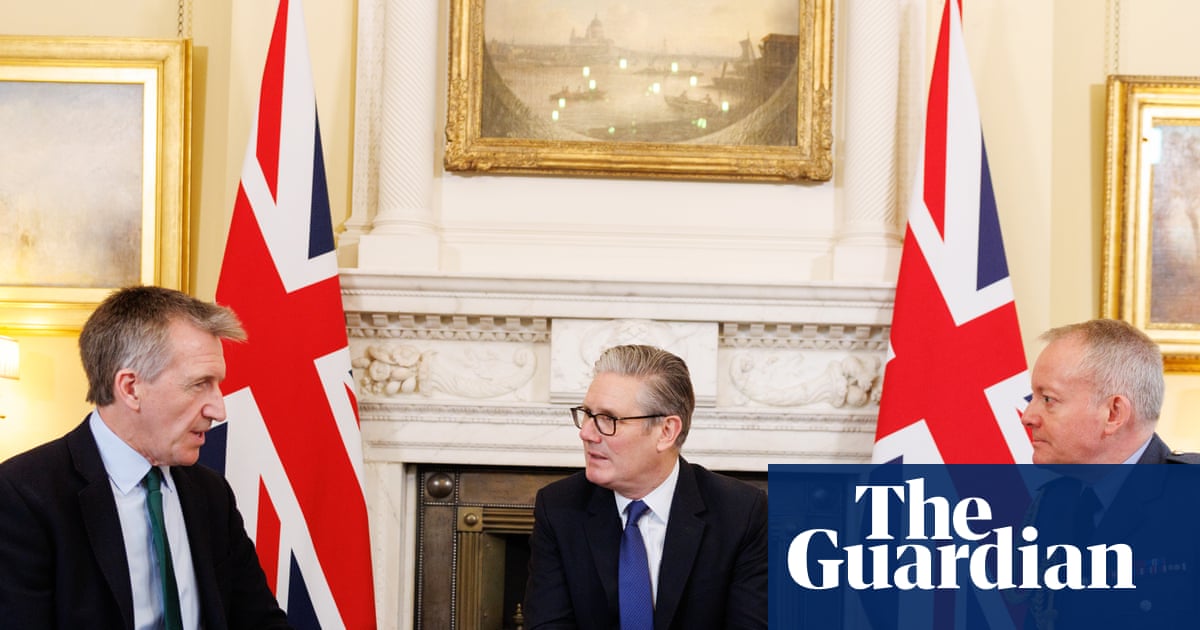
Retailers including the boss of Tesco, Sainsbury’s, Morrisons, Marks & Spencer, Aldi and Lidl met with Reeves and the environment secretary, Emma Reynolds, at No 11 Downing Street on Wednesday.
They are understood to have asked the chancellor to take action to ease cost pressures with help on energy bills and a delay on new regulatory fees or adjustments such as on packaging, unhealthy food and employment rights.
A government spokesperson said it was a “positive meeting” and businesses and ministers had “agreed to work together to explore what more can be done to ease the cost of living for consumers and strengthen supply chains”.
One attendee said the meeting had been “very constructive”, saying the government had been particularly willing to try to find ways to help with energy bills as “this runs through the whole supply chain”.
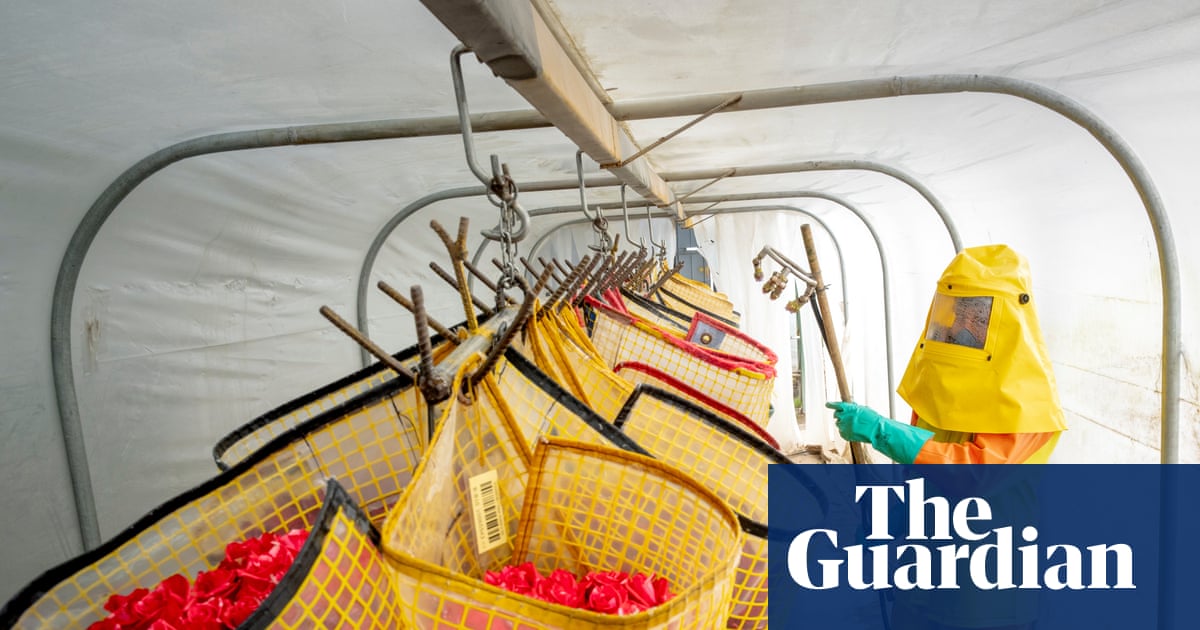
UK farmers and producers have said that without government help with surging energy bills there could be shortages of domestic tomatoes, cucumbers, peppers and aubergines.
Growers’ representatives have said that without support from ministers, or the retailers they supply, fresh produce businesses could go bust later this year as higher costs bite.
Simon Conway, the chair of the British Tomato Growers’ Association (BGTA) said: “Growers historically only make money in the last few weeks of the season, as margins are so tiny in this sector. No one can absorb these kind of cost shocks, they have to be worked through with retailers.”
Many businesses, which typically fix their energy contracts from April, will be hit by a sharp rise in costs from Wednesday amid increases in standing charges, the fixed daily cost added to bills for accessing the UK’s gas and electricity network.
The BTGA and other food producers are campaigning to be classed as “energy intensive users” by the government, a classification that would help to reduce their bills. If there is no support, “businesses will fail”, said Conway.
Energy bills are just one extra cost facing food producers, along with higher prices for packaging and the fuel needed to transport goods to retailers.
The effect of a string of cost increases “hasn’t hit yet but is coming towards the end of the summer”, said Conway. He added that retailers remembered the gaps on shelves in early 2023, when there were fresh produce shortages.
Meanwhile, household energy bills are due to fall until July, but are then expected to jump. The government is coming under increasing pressure to provide support on higher energy bills, although so far it has suggested that any help would be targeted for the most vulnerable households.
In an interview with the BBC, Reeves said the government was looking at ways in which it could support people based on their household income.
However, she did not commit to cutting fuel duty or VAT on petrol, saying she had to be careful with promises to lower prices too much as it could then push up overall inflation, interest rates and taxes.