6 hours ago
8
6 hours ago
8
British households are bracing for a new cost of living crisis, as the impact of the Middle East conflict dampens confidence in the economy and personal finances, a survey has suggested.
Consumer confidence in the UK has dipped over the last three months at the fastest rate since June 2022, when inflation in the UK was soaring as a result of Russia’s invasion of Ukraine and the spike in commodity prices.
The quarterly survey from the accountancy firm PwC, which measures factors such as consumers’ spending intentions and how well off they feel, recorded a score of -13 in April, a sharp fall from -1 in January and the lowest level since autumn 2023.
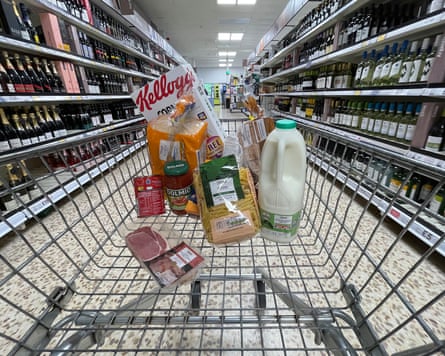
PwC said confidence about household finances was down across all age groups, although young people were still more optimistic than older people, despite there being a 20% fall in those under 35 who feel financially healthy and a 9% increase in those who are struggling or in trouble with their bills and finances.
Almost 90% of 2,068 consumers surveyed by PwC said they were concerned about the cost of living, and almost 80% plan to cut back on their spending in the next three months. The proportion of those who say they will drive less to save money on rising fuel costs has doubled from 12% to 24% since January.
“Rising costs are prompting shoppers to pull back spend across the board, and it’s expected sentiment will get worse before it gets better, as consumers face higher energy and food costs later in the year,” said Sam Waller, the leader of industry for consumer markets at PwC UK.
The PwC report mirrors other consumer confidence surveys, with the data company GfK also reporting last month that UK consumer confidence slid in April to its lowest level since October 2023, amid the mounting economic fallout from the Iran war.
It also reflects the situation in the US, after data on Friday showed consumer confidence there fell to a fresh record low on concerns about higher prices.
The Bank of England said last week that higher inflation in the UK was going to be “unavoidable” due to the Middle East conflict, which will push up the price of fuel, food and energy.
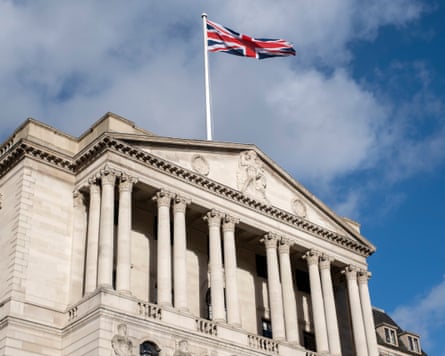
The latest figures from the Office for National Statistics showed the rate of UK inflation, as measured by the consumer prices index, rose to 3.3% in March, up from 3% in February and well above the Bank’s 2% target.
Consumer-facing businesses such as the hospitality sector are hoping the World Cup this summer will provide a welcome boost to trade, while the jet fuel crisis may help domestic hotels if there is a staycation boom because of flights being cancelled or becoming too expensive.
Consumer confidence is also being affected by people’s worries about their jobs. A separate report from KPMG and the Recruitment and Employment Confederation said there was a faster fall in permanent staff appointments across the UK in April, compared with the previous two months. The report said this was due to “heightened market uncertainty amid the war in Iran and rising business costs”.
Job vacancies also declined in April, falling for the 30th successive month. However, the pace of reduction in staff appointments remained weaker than the average recorded over 2025 and was modest overall, the survey said.
The report suggested employers were instead relying more heavily on flexible work, with the strongest rise in temporary billings in two-and-a-half years and up for the first time in three months.