3 months ago
149
3 months ago
149
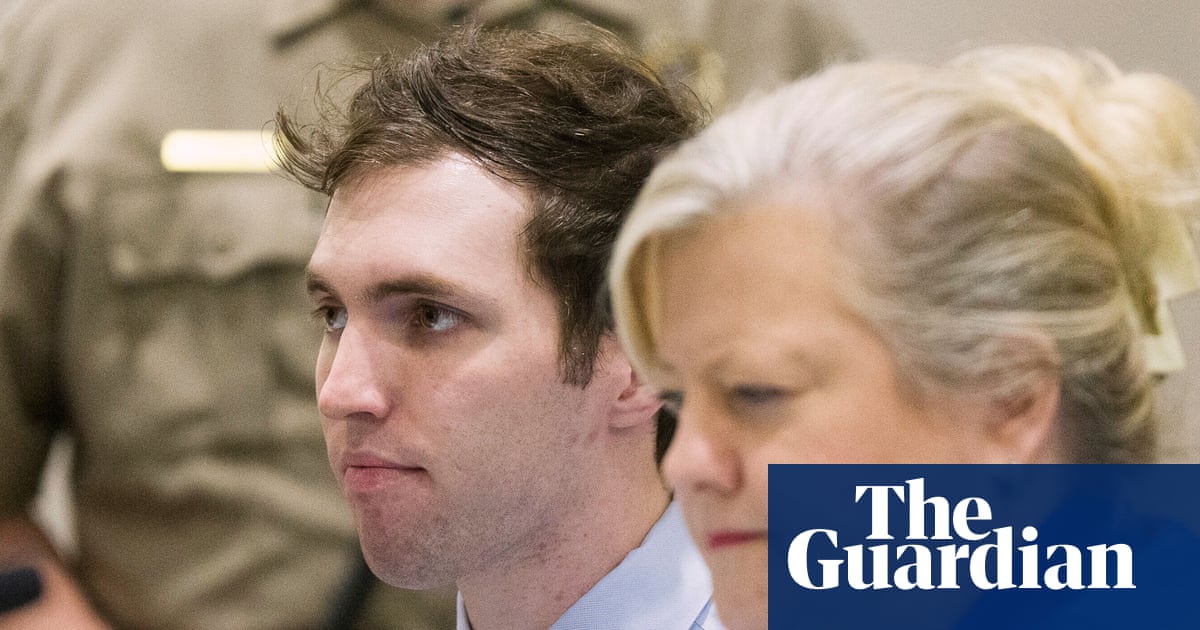
The US supreme court overturned on Thursday an obstruction conviction of a former Twitter employee accused of spying for Saudi Arabia, saying he was tried in the wrong state for knowingly falsifying a document to impede an FBI investigation.
The justices unanimously ruled that the US justice department wrongly in 2022 secured Ahmad Abouammo’s conviction in California from a jury in San Francisco, when his only interactions with FBI agents had been at his home in Seattle in Washington state.
Liberal-leaning justice Elena Kagan, writing for the court, said that while the offense of falsifying a document to impede an investigation “is relatively easy to prove”, the law restricts where the prosecution can take someone to trial on that charge.
“The trial for falsifying a document must take place where the defendant falsified the document,” Kagan wrote. “Here that was in Seattle – meaning in venue terms, the western district of Washington.” The ruling did not touch on the other criminal counts for which Abouammo was convicted, including charges that he acted as an unregistered agent of a foreign government and committed wire and honest services fraud.
Abouammo, 47, was released from prison in June 2025 while the appeal was pending after being initially sentenced to 3.5 years in custody.
Tobias Loss-Eaton, a lawyer for Abouammo, declined to comment. Representatives for the US attorney’s office for the northern district of California, which had tried the case, did not immediately respond to requests for comment.
Abouammo worked at Twitter from 2013 to 2015, before the social media platform was acquired by billionaire Elon Musk and renamed X, and served as its media partnerships manager for the Middle East and north Africa region.
According to prosecutors, Abouammo while working at Twitter’s San Francisco office provided confidential information to a Saudi official about two Saudi dissidents posting on Twitter in exchange for a watch worth $42,000 and two wire transfers of $100,000 each.
Abouammo later relocated to Seattle and started a social media consulting company. When two San Francisco-based FBI agents flew to Seattle to interview him at his home, Abouammo denied giving the Saudi official confidential information and said the payments were instead for consulting work he did, according to court records.
When the agents asked for documents to support his story, Abouammo created a fake invoice that he then emailed to one of them, prosecutors said, leading to the obstruction charge.