3 months ago
127
3 months ago
127
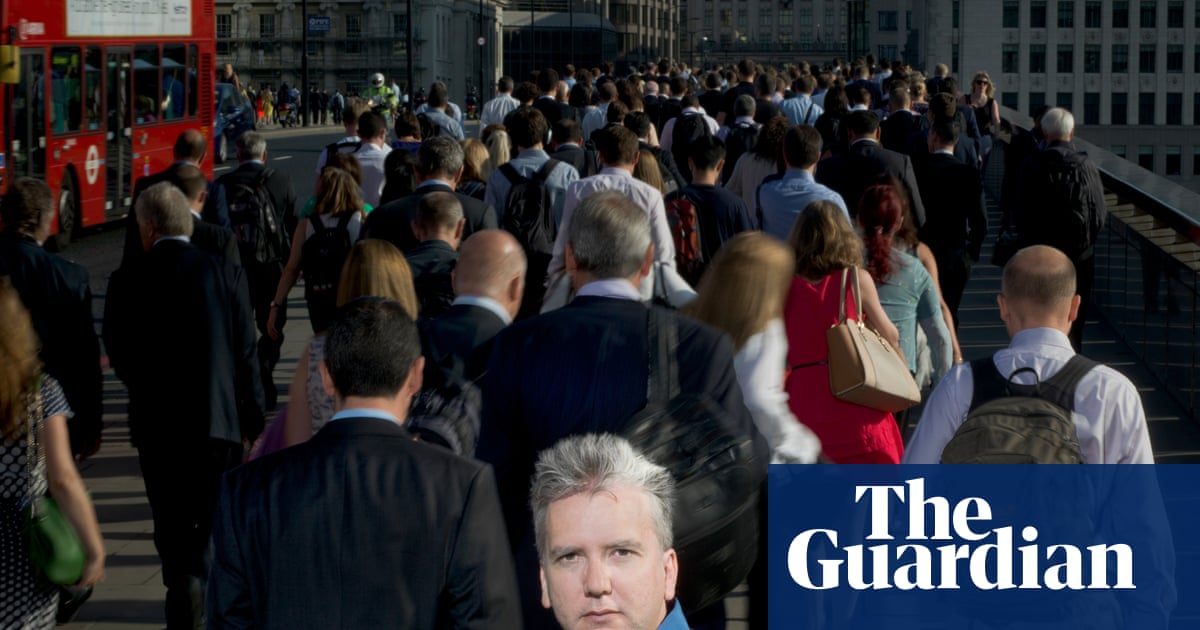
This is an unsettling time to be a migrant worker in the UK. I am one, here on a skilled worker visa. The Labour government’s “A fairer pathway to settlement” proposal is performative policymaking, arising from troubling nationalist, anti-immigrant sentiment. It is designed to make visa-holding migrant workers’ lives more cumbersome and expensive, delaying time to indefinite leave to remain as well as introducing unnecessary qualification criteria, which then impair integration.
Although we cannot vote for the government, visa-holding migrant workers are a constituency whose needs and contributions matter. We are now being used to appease the right, allowing the Labour government to create a (false) picture that they are substantively addressing migration challenges. In other words, we are treated as a convenient political football.
The significant effects of “earned settlement” proposals on work-visa holders has been largely overlooked. I urge UK settled residents, and citizens in particular, to respond thoughtfully to the government’s consultation survey, which is open until 12 February, advocating for your visa-holding migrant worker neighbours, friends and colleagues. We are teaching your children, caring for your relatives, ensuring clean hospitals, providing medical care, bringing world-class research to your universities, and more.
The daily functioning of key sectors depends on our labour alongside the labour of UK nationals and settled residents. Britain needs an immigration policy that meets both labour market needs and the UK’s humanitarian obligations. Do not be fooled: the current proposal under consultation does neither.
Rev Dr Rebekah E Sims
Lancaster
You recently reported on research by the Institute for Public Policy Research (IPPR) showing that the number of people who believe one must be born in the UK to be truly British has nearly doubled – from 19% in 2023 to 36% by late 2025 – raising serious concerns about how national identity is being reframed in public debate (Number of people who say Britons must be ‘born British’ is rising, study shows, 29 December).
As a British citizen married to a non-UK spouse, these shifting attitudes strike deeply at the reality of our everyday lives. My wife and I returned to the UK in 2021, complied fully with the spouse visa route and were due to apply for indefinite leave to remain this year. We have shouldered many thousands of pounds in visa fees and NHS surcharges in good faith, on the understanding that after a defined period we would secure permanence and stability for our family.
Instead, government proposals now risk extending the pathway to settlement by another five years and imposing earnings tests that are impossible for full-time caregivers to meet. For families with British children, this means prolonged years of uncertainty and cost, with the very prospect of belonging continually moved further away.
When too many in society begin to equate “Britishness” with birthplace or ancestry rather than shared values and lived commitment, policies that undermine legal residents are all too easily normalised.
Stability, dignity and trust in public institutions matter to families like mine. We are not abstract statistics; we are neighbours, workers and parents trying to build a life here. Treating us as less worthy of permanence sows fear, harms cohesion and betrays the inclusive notion of British identity most people still say they believe in.
Name and address supplied