2 months ago
134
2 months ago
134
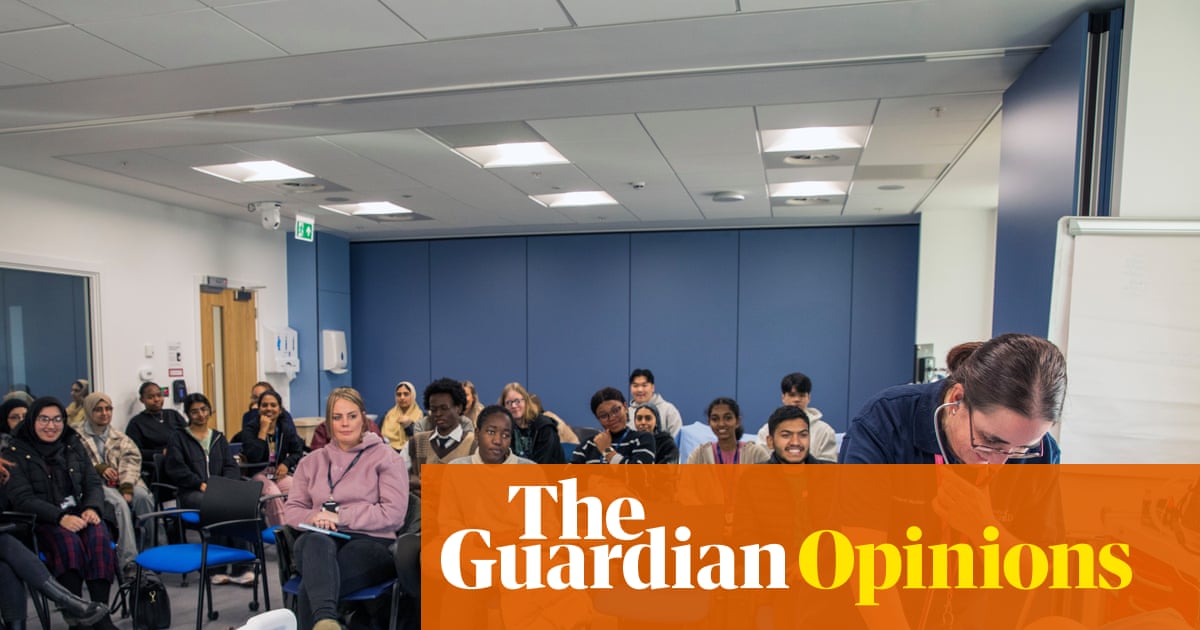
The second Friday in January has been dubbed “Quitter’s Day”, when we are most likely to give up our new year resolutions. Instead of denying ourselves pleasures, suggests a new batch of books, a more successful route may be adding to them – nourishing our minds and souls by making creativity as much a daily habit as eating vegetables and exercising. Rather than the familiar exhortations to stop drinking, diet, take up yoga or running, there is an overwhelming body of evidence to suggest that joining a choir, going to an art gallery or learning to dance should be added to the new year list.
Art Cure by Daisy Fancourt, professor of psychobiology and epidemiology at University College London, brings together numerous research projects confirming what we have always suspected – art is good for us. It helps us enjoy happier, healthier and longer lives. One study found that people who engaged regularly with the arts had a 31% lower risk of dying at any point during the follow-up period, even when confounding socioeconomic, demographic and health factors were taken into account. Studies also show that visiting museums and attending live music events can make people physiologically younger, and a monthly cultural activity almost halves our chances of depression. As Fancourt argues, if a drug boasted such benefits governments would be pouring billions into it. Instead, funding has been slashed across the culture sector and arts education has been devalued and eroded in the UK.
Other writers are urging us to take matters into our own hands, to pick up a pen and paper rather than our phones each morning. The creativity guru Julia Cameron has published a daily companion to her 1992 blockbuster The Artist’s Way, and Katy Hessel’s How to Live An Artful Life similarly offers 366 inspiring quotes and prompts. Ben Luke’s What is Art For? and Lydia Figes’ Survival Notes are compendiums of advice and insights from contemporary artists including Anish Kapoor, Tracey Emin, Wolfgang Tillmans and Dayanita Singh. Unlike many self-help manuals, these books urge us to connect with our inner selves by taking time to reflect on the outside world, to lose ourselves in art. In our era of self-optimisation and life-hacking, this is a quietly radical shift.
Any cultural evangelising raises slippery questions about art itself. Are all forms equal? Should it make us happy? It can also seem like hectoring. Not everyone struggling with illness, depression or poverty will be cheered by admonishments to take up ballet or pottery. Many UK museums and galleries might be free, but they can still seem alien and intimidating places. We should not forget that art history is littered with tortured geniuses, far from models of sobriety, sanity or healthy living. Not to mention plenty of artists who give the lie to any idea of innate creative ennoblement.
But it seems clear that actively participating in artistic pursuits increases our wellbeing. Despite the threat to creativity from AI, art remains uniquely human. Learning a new skill gives us a sense of control. Joining a book group fosters community. Really looking at a painting forces us to slow down. Art delivers joy and beauty. As Charles Darwin wrote in his autobiography: “If I had my life to live over again, I would have made a rule to read some poetry and listen to some music at least once every week.” We would all do well to make a similar rule – and enjoy sticking to it.
-
Do you have an opinion on the issues raised in this article? If you would like to submit a response of up to 300 words by email to be considered for publication in our letters section, please click here.