2 months ago
109
2 months ago
109
When Nigel Farage said British people should respond to the murder of 18-year-old Henry Nowak with “pure cold rage”, it invited a chorus of condemnation from across the political divide.
In a particularly tense moment in parliament, the prime minister, Keir Starmer, accused Farage of exploiting the tragedy for his own political advantage, in defiance of the wishes expressed by Nowak’s parents.
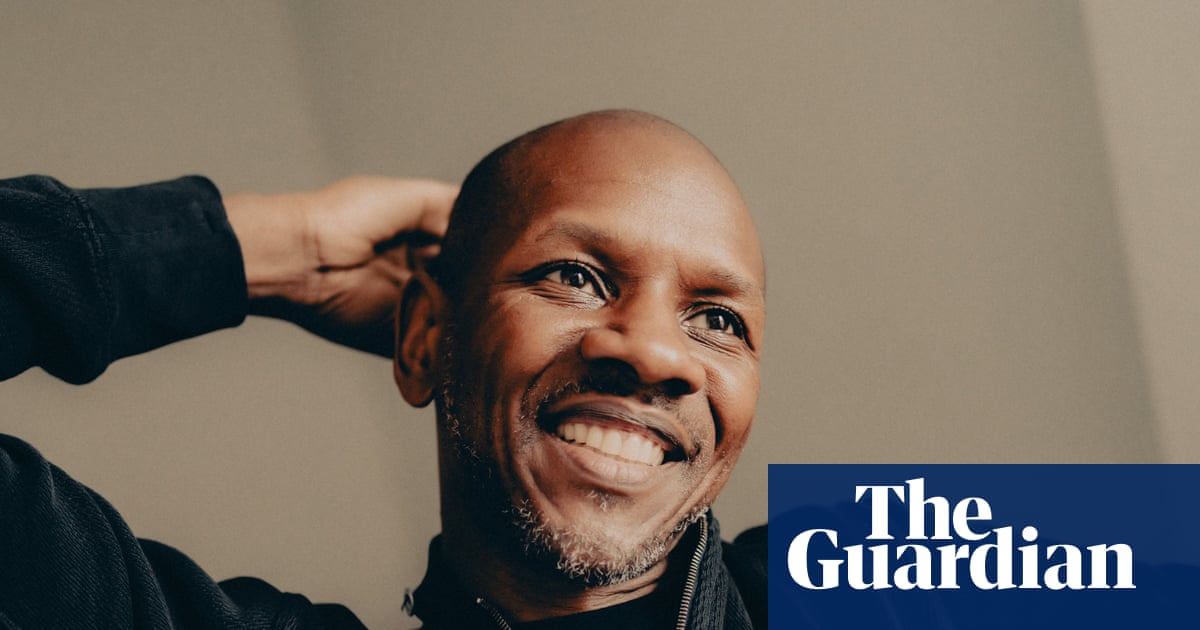
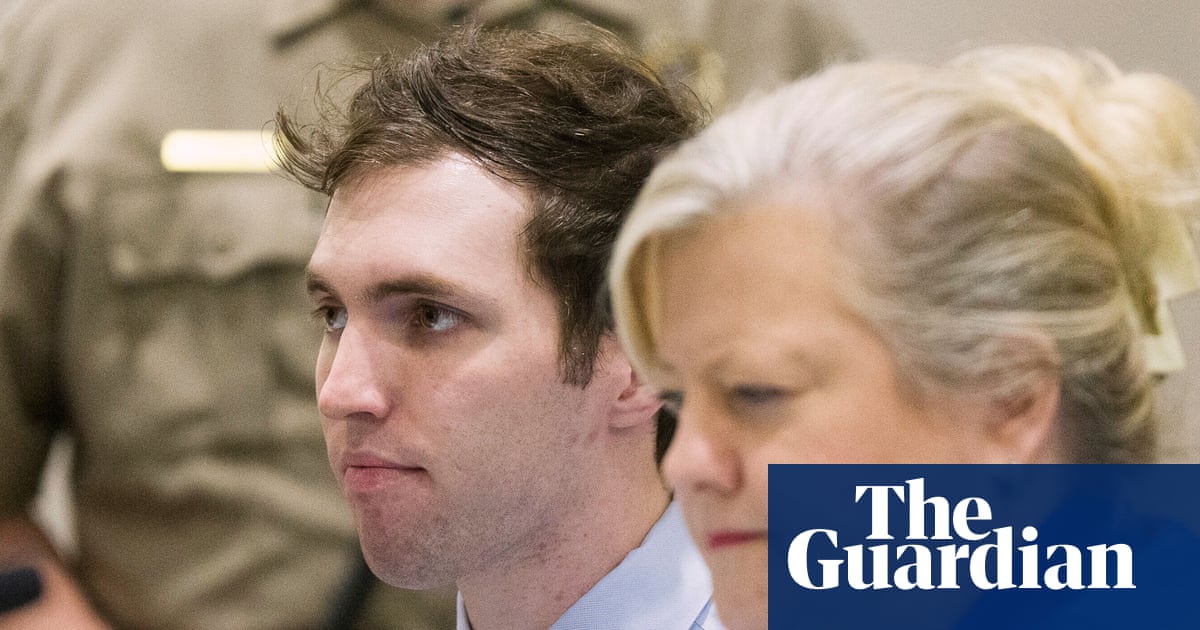
Farage’s comments struck a particular chord with Jacob Dunne, a man who has dedicated his life to tackling youth violence. Dunne was jailed for manslaughter after killing a stranger, James Hodgkinson, with a single and unprovoked punch while on a night out in Nottingham in July 2011.
His story of transformation after meeting Hodgkinson’s parents – a process called “restorative justice” – inspired an Olivier award-winning play which sold out theatres in London and New York.
Reacting to Farage’s appeal for “rage” on Instagram, Dunne said: “The definition of rage is uncontrollable and extreme anger. Now, for a political leader and someone who wants to become prime minister, I think he got a little bit too excited. At worst he was inciting violence.”
“I’m not playing party politics,” he added. “I threw a punch at 19 years old, a violent act that killed another man … Words and dialogue are more effective at reducing violence than rage.”
Dunne spoke to the Guardian in the aftermath of recent violent disorder in Southampton and Belfast. He said that, while the rioting in recent weeks must be condemned, there also had to be an acknowledgment of the “underlying causes” that are driving young men and boys to such volatile behaviour.
“There is a section of our population, mainly men and young men, who arguably don’t believe that there is a way of expressing their anger constructively,” he said.
Dunne, who was announced as an unpaid government adviser on youth justice this week, said many young men were “falling through the cracks of society”, attracted to extremism from both the left and right, predominantly due to a lack of community and belonging they feel in their lives.
“They’re finding digital forms of belonging and there are people online who are exploiting that lack of community and providing community online. Which is why you have ‘incels’, which is why you have far-right nationalist groups and any other actors like that who create a space for belonging and identity that soothes the void young men feel in their lives,” he said.
Belfast was the latest flashpoint, after a video of a brutal knife attack in the north of the city was shared online. Hours later, demonstrations against the attack and immigration descended into public disorder and racially motivated violence, with people forced to leave their homes and cars set alight.
For Dunne, the attraction of young men to outbursts of violence is not a new phenomenon. He described the football hooliganism of the 1960s and postcode gang culture which he was surrounded by when he was younger. He noted the 2011 riots were ongoing when he threw the fatal punch in Nottingham.
“In search for belonging, you will adopt whoever adopts you, their belonging, their values and their principles, and form that identity,” he said.
“I think people don’t trust that their voices will be heard unless they act aggressively. Some people believe that they won’t be heard [and] people resort to violence,” he said.
It is why Dunne was particularly critical of Farage’s choice of words and insisted such criticism would be targeted at any politician, of any party, if they used such language.
“For someone who wants to lead this country, he should be trying to unite the middle ground and promote peace,” he said.
Dunne is co-founder of the Common Ground Justice Project, an apolitical organisation that facilitates open conversations around crime and justice.
He said it was his mission to ensure there were constructive pathways for young men and boys to express their anger and to create “safe spaces for people to understand how they feel”.
“I feel sad that because I know where these young men are, I know that they need help, that they want to be heard, that they want to be loved and they just want to feel like they belong somewhere and they’re trying to find it but they’re going further and further down paths that get them criminalised,” he said.
Dunne urged the government to develop a long-term strategy to improve levels of social cohesion and to tackle the increasing numbers of people aged 16 to 24 who are not in education, employment or training (Neet).
“We need to have a serious strategy for how we stop young boys and men feeling marginalised,” he said. “One of those things is Neet, those children are all susceptible to these dogmatic incels, whether it’s left or right.
“We’ve got a growing number of outcasts who are willing to burn the whole place down to feel its warmth and if you keep ostracising them, we keep labelling them as racists and bigots, we will only perpetuate the problem.”
Reform UK was contacted for comment.