2 months ago
64
2 months ago
64
Arundhati Roy, Lyse Doucet and Judith Mackrell are among the writers shortlisted for this year’s Women’s prize for nonfiction.
Jane Rogoyska, Ece Temelkuran and Daisy Fancourt are also in contention for the £30,000 prize, launched in 2024 to address the persistent gender imbalance in UK nonfiction prize winners.
Booker prize-winning novelist and political activist Roy has been chosen for her memoir, Mother Mary Comes to Me, an exploration of identity, motherhood and the making of a writer, which Amit Chaudhuri described as “utterly absorbing” in his Guardian review.
BBC chief international correspondent Doucet is recognised for The Finest Hotel in Kabul, a people’s history of Afghanistan told through the shifting fortunes of the InterContinental hotel in the capital, praised in the Guardian as “witty, observant and sometimes heartbreaking”.
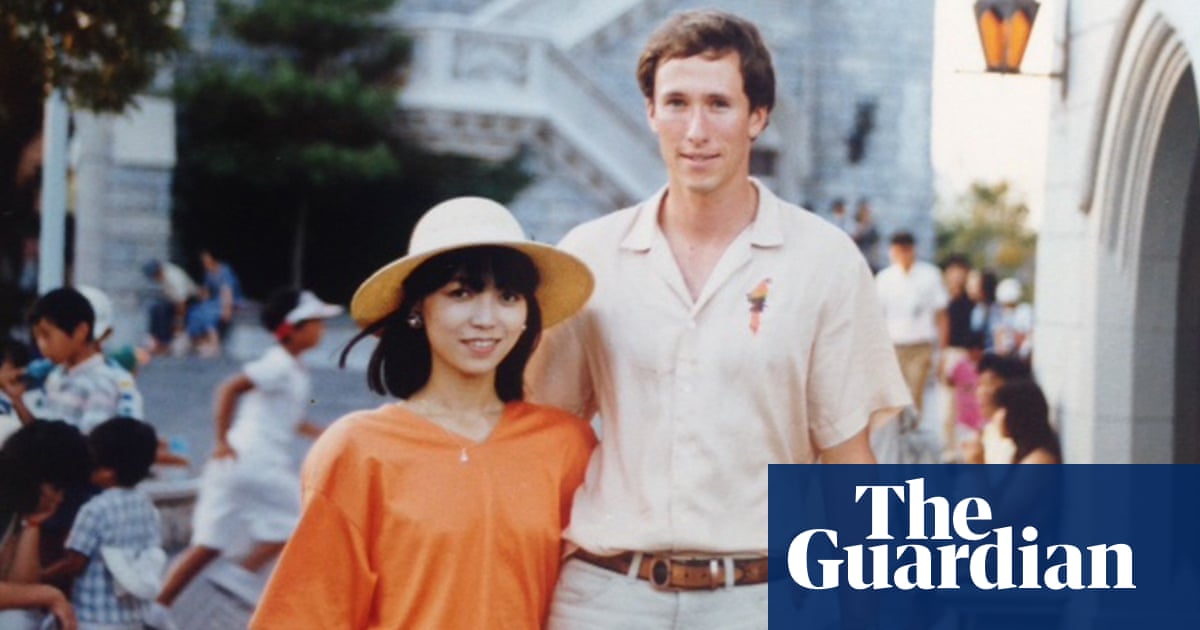
Along a similar theme, Rogoyska’s Hotel Exile looks at the history of the Hotel Lutetia in Paris, which was used as the headquarters of the German military intelligence service, the Abwehr, during the second world war.
The Women’s prize announced the shortlist alongside new data on gender imbalances in the nonfiction market. Although female authors are increasing market share in what the prize calls “authoritative” genres – including popular science (rising from 11% in 2023 to 22% in 2025) and philosophy (from 5% to 10%) – men continue to dominate most categories, including business and management (93%), sport (90%) and politics (82%).
Thangam Debbonaire, chair of judges, said the shortlist showcased “six exceptional books and six hugely talented writers, and offers readers collectively a timely and timeless interrogation of our world today”.
“These books are an urgent antidote to mis- and disinformation, written with high standards of scholarship. They offer rich and original insights in what often feels like a fragmented and uncertain world,” she added.
Mackrell’s Artists, Siblings, Visionaries is a dual biography of prominent British sibling artists Gwen and Augustus John, commended for its “novelistic sensibility” in the Guardian.
Also on the shortlist is Temelkuran for her book Nation of Strangers, on exile, migration and belonging, and the illusion of geopolitical and global stability. Rounding off the list is Fancourt’s Art Cure, about how the arts can improve our health, wellbeing and longevity.
The creation of the prize was prompted by research which found that only 35.5% of winners across seven major UK nonfiction awards over the previous decade were women.
Along with the six shortlisted books, titles longlisted for this year’s prize were Daughters of the Bamboo Grove by Barbara Demick; Don’t Let It Break You, Honey by Jenny Evans; With the Law on Our Side by Lady Hale; To Be Young, Gifted and Black by Kadiatu Kanneh-Mason; Ask Me How It Works: Love in an Open Marriage by Deepa Paul; Death of an Ordinary Man by Sarah Perry; The Genius of Trees by Harriet Rix; Finding Albion by Zakia Sewell; To Exist As I Am by Grace Spence Green; and Indignity: A Life Reimagined by Lea Ypi.
Last year’s prize went to Dr Rachel Clarke for The Story of a Heart, while the inaugural winner was Naomi Klein for Doppelganger. The winner will be revealed alongside the winner of the Women’s prize for fiction on 11 June. The winning author will receive £30,000 and a limited-edition artwork known as the Charlotte.
Alongside Debbonaire, the judging panel includes Roma Agrawal, engineer, author and broadcaster; Nicola Elliott, founder of Neom Wellbeing; Nina Stibbe, novelist and memoirist; and Nicola Williams, crown court judge and thriller author.
-
To browse all books in the 2026 Women’s prize for nonfiction shortlist, visit guardianbookshop.com. Delivery charges may apply.