2 months ago
116
2 months ago
116
What a difference a credible political threat of special administration at Thames Water can make. Suddenly, the bondholders are volunteering all manner of new ideas in their attempt to take over the ailing utility. Would you like the state to have a “golden share”, Mr Burnham? Here is a menu of “supervisory structures” that may meet your definition of “greater public control”. And please note that other “material improvements” to our last offer are on the way. Tell us what you want.
The bondholders’ sudden flexibility demonstrates the weakness in the government’s approach under Keir Starmer. The Treasury never hid its preference for a “market-based solution”, in the jargon. The result was a series of weak proposals from the bondholders – starting a year ago with an inadequate 20% haircut for them – that didn’t match the depth of the financial crisis at failing Thames. Now, at last, we may be cutting to the chase. We should have arrived at this point at least 18 months ago.
The precise version of a “golden share” isn’t pinned down but would, presumably, allow ministers to veto any capital expenditure plan they regard as too slow. The “supervisory structures” stuff would give more influence over planning to municipal authorities and mayors; there was a flavour of such thinking in the Cunliffe review of the water sector under Starmer.
As for adjustments to financial terms, “material improvements” had to be forthcoming anyway because Emma Reynolds, the previous environment secretary, demanded as much. That last offer included a 30% haircut, £3.35bn of new equity, £3.25bn of fresh debt and £700m-ish to settle expected environmental penalties. Most of those numbers may now move. With Thames’s senior debt trading at about 62p in the pound, the upfront haircut might have to be 40% or 50% if the aim is to accelerate spending on new infrastructure. Note that the latest rating from credit analysts at Moody’s corresponds to an expected loss for senior bondholders of 35%-60%.
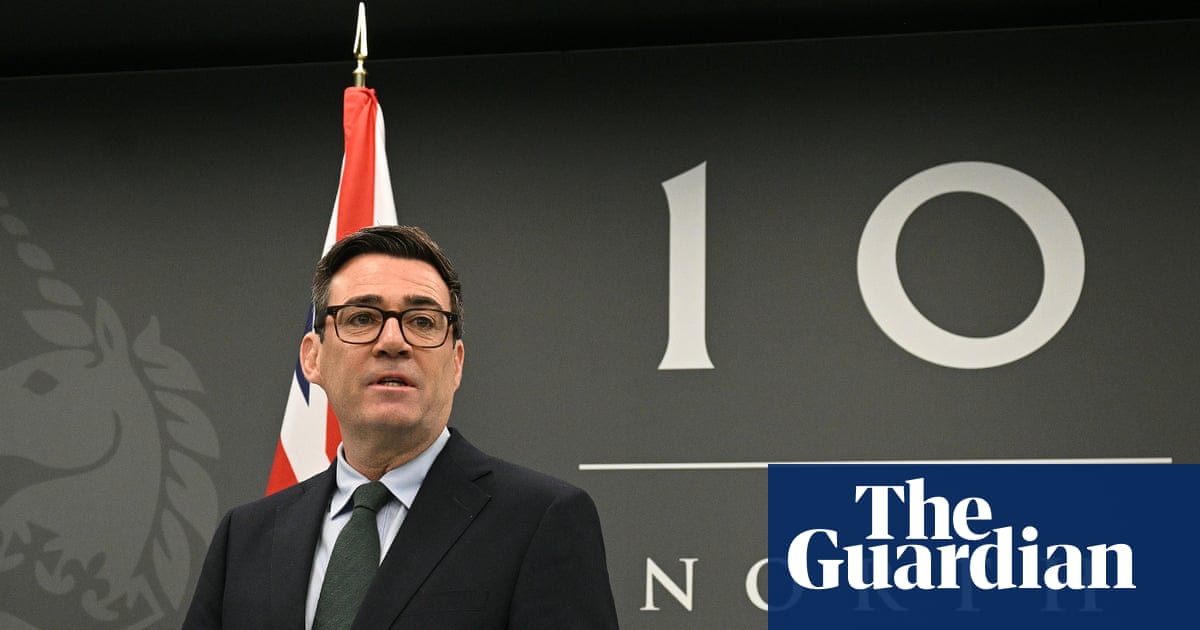
None of which means Andy Burnham will be tempted to agree a deal with creditors. Public ownership is “what should be done” at Thames, he said on the campaign trail at the Makerfield byelection, without definitively clarifying whether he meant full-fat permanent nationalisation or special administration, which could lead to a return to the private sector.
Both those options threaten a prolonged and messy legal scrap with the bondholders, however. The shareholders are wiped out already but, under pure nationalisation, there would be a fight over the valuation of the £17bn-plus of senior debt. The creditors, including US hedge funds, are already arming themselves with lawyers in case.
Special administration offers the prospect of a clean reset of Thames’s balance sheet and competitive proposals. The disadvantage is that the process could take two years and the government would have less control over the outcome since the administrator has to answer to the courts. To complicate matters further, the creditors could bid themselves.
It’s a world of trade-offs, in other words. Only outright nationalisation definitively meets the new prime minister’s campaign rhetoric. Special administration is meant to be a temporary process in which the state just ensures Thames has funding, so could end up disappointing on the “public ownership” front. The creditors’ proposal could happen quickly – but, even with the fig leaf of a golden share, might be miles away from Burnham’s promises about public ownership even after another round of negotiation.
after newsletter promotion
Which way will Burnham jump? Hard to say. “We’re prepared for all eventualities, including a special administration regime, if that were to become necessary,” said his spokesperson on Tuesday, sounding almost Starmer-like in terms of keeping options open. On the plus side, Burnham’s political pressure has forced the creditors to move further than seemed likely a few weeks ago. That is a clarifying moment of a sort. The new PM now has to choose what he really wants. This cannot go on much longer.