2 months ago
115
2 months ago
115
Only five years ago a bullish ITV was riding high, trumpeting the biggest annual advertising haul in its history, as the broadcaster pledged to become a national champion in the battle against the US streamers.
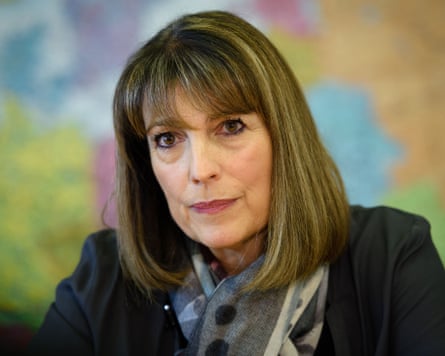
Now its chief executive, Carolyn McCall, has raised the white flag, arguing that a cut-price sale of its TV and streaming business to Sky is the only route to survival as deep-pocketed companies such as Netflix and YouTube hoover up audiences and commercial revenues.
This week’s deal marks one of the biggest shake-ups in British TV history, ending the broadcaster’s independence after 70 years. It also raises questions over feared further job cuts in the under-pressure sector, the long-term fate of fan-favourite shows and the future viability of an increasingly isolated and small-scale Channel 4.
The Sky chief executive, Dana Strong, has already identified £200m in annual cost savings to be realised by the end of the third year after the deal closes, suggesting a “minority” will come from job duplication, mostly in corporate and commercial departments.

Meanwhile, the BBC, under the new leadership of the former Google boss Matt Brittin, is pushing through its deepest cuts in 15 years, shedding up to 2,000 staff in an effort to become fit for the digital age as British TV faces an existential crisis in the streaming era.
“It is the end of an era really,” says Nick Manning, an independent media strategist at Encyclomedia. “It won’t be long before the Americanisation of UK media is complete, the last bastions of Britishness are starting to fall.
“It all comes down to audiences and funding. It has already happened in terms of audiences going to big US streamers and platforms, and the money is following. The changes we are seeing, like Sky being acquired by Comcast and now ITV being bought, are essential.”
Sky and ITV’s combined share of UK television and streaming viewing was 17.7% in May, while YouTube stood at 18.6%, according to the UK ratings body Barb.
Only the BBC remains larger than the US video company, although at 19.5% its lead is rapidly dwindling. Netflix, at 10.14%, is close to overtaking ITV’s 11.2%, having cruised past Sky, Channel 5 and Channel 4.
On Wednesday, Brittin publicly highlighted the looming predicament for Channel 4 – whose Barb audience share is only 5.79% – while confirming the two broadcasters were in talks about combining their streaming services to create a “sovereign platform” to compete with the US companies.
“In the world of the ITV-Sky merger, Channel 4 looks very subscale,” was Brittin’s frank assessment at the culture select committee of MPs. “All of these mergers are driven by the need for scale.”
Sky’s takeover of ITV will account for about 74% of the traditional TV ad market – including digital sales on broadcasters’ streaming services and third-party deals such as selling Channel 5’s inventory – leaving Channel 4 a distant second player at 26%.
The tie-up partners are banking on the competition regulator considering a much wider market definition, with the combined entity accounting for just more than 30% of overall video advertising, according to Enders Analysis.
Either way a merger of rivals could severely affect an already stretched Channel 4, which is state owned but commercially funded, considering advertising accounted for 90% of its £1.03bn revenues last year.
Channel 4 has fought off multiple privatisation attempts by Conservative governments, most recently in 2022, and has been repeatedly forced to defend its independence as renewed talk of the need to look at a merger with BBC Studios emerged after the announcement of the Sky-ITV talks in November.
The new Channel 4 chief executive, Priya Dogra, a former senior executive at Sky, has launched a comprehensive review, which is expected to result in job losses.
“The BBC is a bit of a Death Star of an organisation to try to partner with; they like a lot of sovereign power, but they are now probably the only game in town for Channel 4,” says one senior TV industry executive, who has been involved in talks with the corporation.
“The government, culture department and UK Government Investments [which manages the state’s ownership of Channel 4] will be asking: ‘What is the plan?’
“The plan can’t be to carry on as it is now; things are now a lot worse than when privatisation was averted. It can’t just be to make better programmes and do well in the ad market any more. Channel 4 will have to do something radical in the next few years.”
ITV’s decision to join forces with Sky and form, in the words of Strong, a “British streaming champion”, scotches the long-discussed dream of the three original public service broadcasters joining forces. The idea, which came close to fruition in 2009 under the name “Project Kangaroo” before being blocked, could have been transformative for the UK TV landscape, giving the UK PSBs a three-year headstart on Netflix in streaming.
after newsletter promotion
McCall expressed her frustration this week about the fact ITV had been unable to progress the latest talks to create a joint venture “because we all have such different business models”.
If Sky is successful in its takeover of ITV it means two of the UK’s four nationwide public service broadcasters will be under the control of a US company, as Channel 5 is owned by Paramount.
Sky’s takeover has also raised questions about the future of national and regional news provision, given it will own 20% of ITN – which produces news for ITV, Channel 4 and Channel 5 – as well as Sky News.
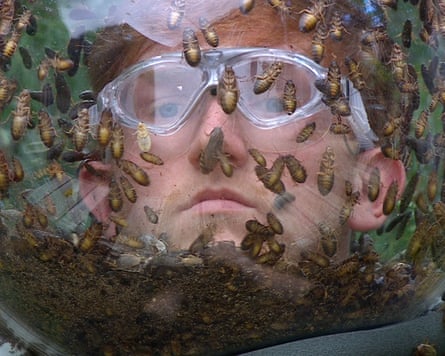
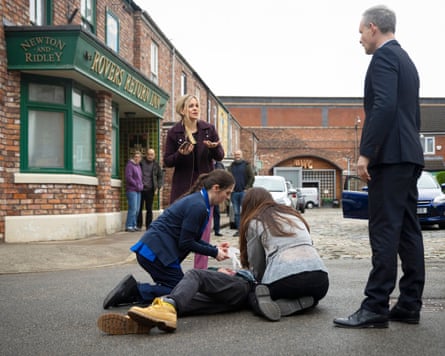
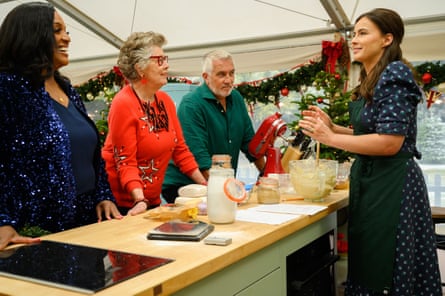
However, there are also questions about the long-term future of British crown jewel TV programming such as Coronation Street, Emmerdale and hit reality series franchises such as I’m A Celebrity … and Love Island.
The takeover did not include ITV Studios, one of the world’s biggest production companies, which will remain as a standalone company listed on the London Stock Exchange.
Sky has committed to spend at least £2.1bn between 2028 and 2032 on the studios business, safeguarding the future of popular shows on free-to-air ITV for now.
However, there has been rampant merger and takeover activity in the content production industry in recent years, with executives already talking about ITV Studios as a prime takeover target once Sky and ITV have unpicked it from the broadcasting arm.
On Thursday, Paris-headquartered Banijay Group, maker of shows ranging from Peaky Blinders to Big Brother, completed its €4.4bn (£3.8bn) merger with All3Media, the UK super-indie behind hits including The Traitors. The deal, first announced in March, creates the world’s largest independent production company, which will be run from London.
Banijay and RedBird IMI, the owner of All3Media, had previously held talks with ITV over a potential takeover of ITV Studios.
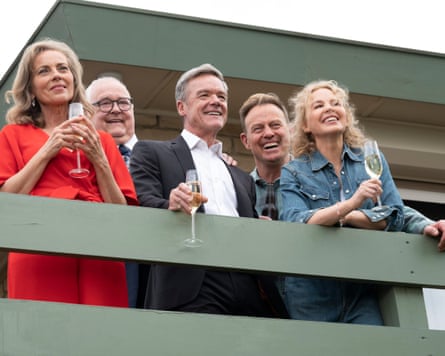
While Strong stressed Sky was not planning to put ITV favourites into its subscription services, it cannot be sure it can keep the shows on the free-to-air channel beyond the five-year deal. It also cannot guarantee the motives of any new owner if ITV Studios is taken over.
In 2007, the BBC lost Neighbours, its daytime ratings banker for 21 years, to Channel 5, owned at the time by German broadcaster RTL.
The soap was put out to bidders by Fremantle, the production group also owned by RTL, in which the stablemate Channel 5 triumphed.
“Neighbours is a perfect analogy of what could happen,” says Peter Fincham, a former senior executive at the BBC and ITV who is a co-chief executive of the production company Expectation.
“What will happen to shows like Coronation Street? No one can know the viewing patterns and habits in five years’ time and the value [of a show on free-to air TV] or to a streamer.
“ITV Studios itself might be in different ownership, and it could be someone in direct competition. However intertwined they have been, the sentimental link between ITV Studios and ITV will have evaporated. Then it’s just business.”