2 months ago
80
2 months ago
80
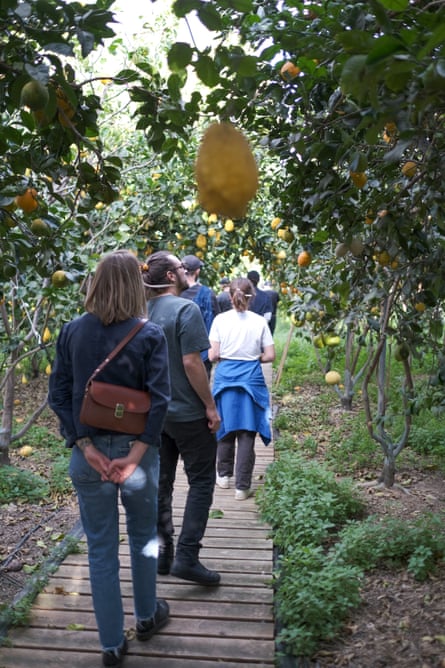
It was on a trip with a friend to the east coast of Spain that the chef Matthew Slotover came across the “Garden of Eden”, an organic farm growing citrus varieties he had never heard of. The Todolí Citrus Foundation is a nonprofit venture and the largest private collection of citrus in the world with more than 500 varieties, and its owners think the rare fruit could hold the genetic secrets to growing citrus groves that can deal with climate change.
The farm yields far more interesting fruit than oranges and lemons for Slotover’s menu, including kumquat, finger lime, sudachi and bergamot.
They grow everything completely naturally, and the groves have become a haven for frogs, goldfinches and bees.
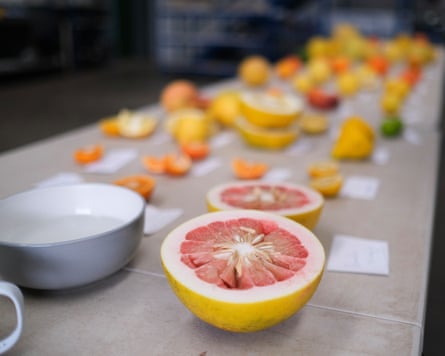
Slotover is the founder of Toklas in London, one of Nigella Lawson’s favourite restuarants. She recently raved about a dinner there that included langoustine and scallops with Rangpur lime and Spanish sweet limetta, and a “heavenly” guava roll with Shikuwasa mandarin.
When Slotover visited the Todolí farm, he was awestruck. “It was like the Garden of Eden”, he said. “I just cannot tell you what the experience was like … I knew about oranges and lemons and limes and grapefruit. I didn’t know about tangelos and finger limes and citrons and pomelo.”
He tries to source most of the food on his European-inspired menu from the UK. “But citrus is too good to miss,” he said, during a visit to the Oxford Real Farming conference earlier this month. He teamed up with other chefs to bring over some rare varieties from the farm, and they became so popular he passed distribution over to the organic food supplier Shrub, which sells them to chefs across London.
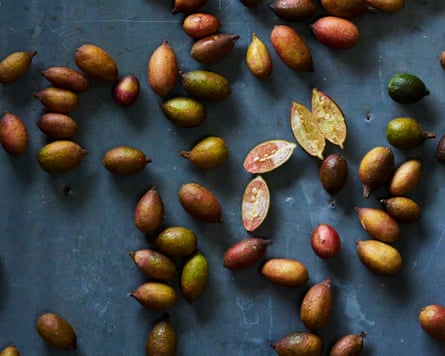
Finger limes, also known as caviar limes, frequently feature on Slotover’s menu. They contain zesty pearls that burst in the mouth and have a fragrant sweet-and-sour flavour.
The citrus collection had no commercial purpose before the chefs discovered it. “When we first approached the owner Vincente [Todolí, the former Tate Modern director], he said: ‘We don’t really sell it. We give it to friends, we have an Italian guy who makes ice-cream with it.’ And what we’ve been doing with it since has been really helpful to the farm,” Slotover said.
The foundation’s technical director, Óscar Olivares-Fuster, said it operated differently to the commercial farms nearby.
“Spain is the world’s largest exporter of fresh citrus,” he said. “We at Todolí do organic, we don’t use pesticides, we work with nature. Our climate, the cold nights, warm days and sea breeze help us with all our varieties, more or less.”
Rather than using artificial irrigation, which is water-intensive, they have learned from the ancient Arab practices and use irrigation ditches and ponds, which are not only attractive to look at but store water very well.
They have also created a haven for songbirds previously linked to Valencia’s citrus groves but which have been wiped out by herbicides and insecticides.
“We have a bank of genes here, with hundreds of varieties of citrus. This is something unique to study,” Olivares-Fuster said. “Investigating these will be key for citrus to survive all the challenges that are coming, including climate change. Eventually, citrus will be grown north of the Pyrenees and we might struggle in the south.”
One of his favourite varieties to grow is the trifoliate orange. It is a small, very sharp fruit used mostly in jams and marmalades or as a substitute for lemon zest in recipes.
He said it was interesting because unlike other citrus varieties “it will shed its leaves in winter. This means it can be very resistant to cold”. Perhaps scientists could use this genetic trait to help other citrus varieties survive in colder climates, he suggested.
The farm grows 40 Japanese citrus varieties, including the Kiyomi tangor, but also the Valentine pomelo, a sweet fruit often grown in California. Chefs are keen on calamansi, a small, sour fruit originally from the Philippines, and the fragrant Borneo lumia.