2 months ago
84
2 months ago
84
On the one hand, experts say, Europe is better prepared for this energy crisis than the last. On the other, it is still waging a culture war against the most obvious path out.
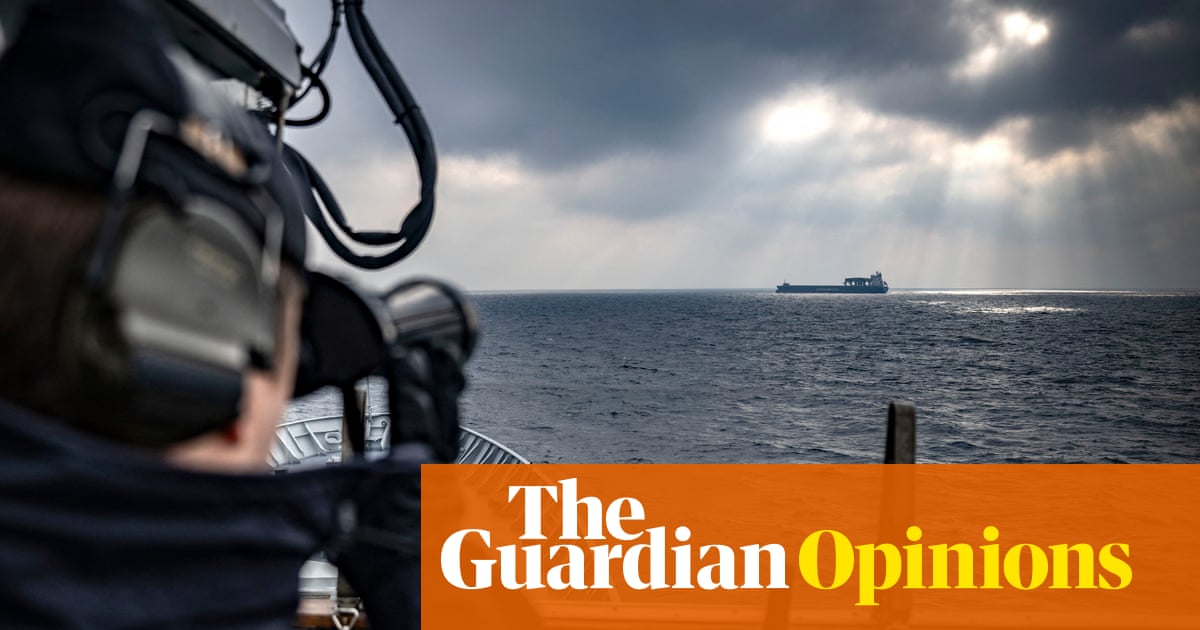
Fuel prices have soared to ruinous levels since the Iran war left ships of oil and liquefied natural gas (LNG) stranded in the Gulf. The pain is most acute in Asia, but high energy prices are already causing panic in Europe. Shortages could hit the continent this month, oil company Shell warned last week. Donald Trump’s “go get your own oil” comments on Tuesday sent prices to their highest level since the start of the US-Israel attack on Iran. They briefly dipped below $100-a-barrel on Wednesday amid hopes that the war may soon end.
Despite this, efforts to hasten the shift away from an economy that runs on dirty foreign fuels, towards cheaper, cleaner domestic renewables, remain muted. Instead, soaring energy prices have provided lobbyists with more ammunition to attack the carbon price with further claims that the bloc’s flagship climate policy is threatening factories and jobs. Its incoming methane standards have also come under renewed fire.
Will Europe’s second fossil energy crisis of the decade push leaders to cut reliance on imports of fuels that foul the air and heat the planet?
The 2022 energy shock hit Europe when its energy mix was particularly shaky. The Russian invasion of Ukraine caught governments by surprise, despite the Russian gas giant Gazprom draining German gas reserves in the months leading up to the war and stern warnings from allies that followed. Subsequent gas shortfalls coincided with weak output from nuclear power plants, which needed repairs, and hydropower dams, which had been hit by drought.
Now, as the Iran conflict sends fuel prices soaring once more, Europe stands on steadier ground. Wind and solar overtook fossil fuels in the European Union’s power generation last year, after officials hastened the rollout of renewables by shortening the permitting process. The cost of clean alternatives has continued to fall, making it easier than it was in the last crisis for households to buy solar panels, electric cars, heat pumps and batteries.
Yet in that time, EU officials and national leaders have begun unwinding key parts of the Green Deal they used to back. Wary of rightwing populists attacking climate policy – and eager to appease struggling industries that blame green rules for their plight – the dominant centre-right group in the European parliament has made near-term “competitiveness” its top priority. The costs of pollution have taken a back seat.
Foreign pressure has not helped. Last week, MEPs approved a trade deal with the US that is linked to Trump’s demand for Europe to buy $750bn of its energy – most of which is fossil based – over three years. While the energy demand was not part of the vote (lawmakers do not have the power to make companies buy US fuels), the deal has alarmed campaigners fearful of the signal it sends to a country already using energy as a weapon.
The shift in political mood is clearest in Germany. Europe’s biggest polluter is watering down laws to phase out gas boilers, which the previous government brought in after the Russian invasion of Ukraine, and last week its economy minister told an audience of oil and gas executives that the EU should relax its net zero target. Meanwhile, the prospect of joining the rest of the democratic world by implementing a blanket speed limit on its motorways is still a political taboo. Pleas from the International Energy Agency to survive the oil price shock with more radical measures – avoiding flights, driving slower, working from home – have been roundly ignored.
Perhaps the greatest threat to the green transition is the attacks on the EU’s flagship emissions trading system, which puts a price on carbon pollution. Several EU member states and the powerful chemical lobby set it in their crosshairs well before the war broke out. On Wednesday, EU officials announced plans to weaken its carbon price by ending the automatic cancellation of extra permits in a buffer pool. The move fell short of the more radical overhaul demanded by some member states, but alarmed green groups who fear it will lead to “significantly higher” emissions after 2030.
The picture is far from the open return to fossil fuels embraced by the US. Ursula von der Leyen, president of the European Commission, announced last month that she would mandate lower taxes on electricity than fossil fuels – a key lever for the transition – and boost investments in industrial decarbonisation. A handful of national leaders have also repeated calls to hasten the move to a clean economy, even as they consider broad subsidies to shield consumers from fuel price spikes.
Still, the scale of action outlined by climate scientists and economists remains elusive. During the 1973 oil crisis, when Europe first reckoned with its fossil dependence, a handful of countries embarked on innovative and far-reaching transformations of their energy systems. From Dutch bike lanes and Danish windfarms to French nuclear power plants and Nordic district heating systems, European leaders have shown that a crisis can spur change. The imperative has since grown, but the imagination seems to have shrunk.
The misrule of law
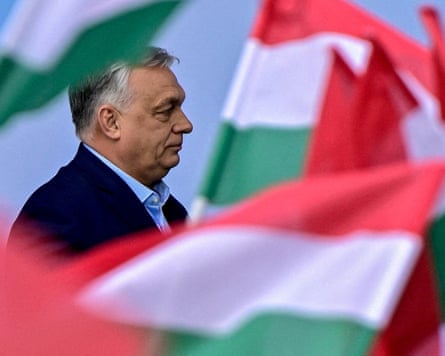
Europe’s eyes turn towards Hungary ahead of a pivotal general election on 12 April, in which Viktor Orbán faces possible defeat. Under Orbán’s premiership, a liberal democracy, governed by the rule of law – as membership of the EU requires – has, in effect, been reshaped into a one-party state. Democratic institutions have been systematically hollowed out: the judiciary is stacked with government loyalists and the independent media has been defanged.
But even if Orbán is swept from power this month, similar forces are a threat to democracy elsewhere in Europe. Italy, Croatia, Bulgaria and Slovakia were identified on Monday as “consistently and intentionally” eroding the rule of law. Other countries are also showing symptoms of backsliding.
There are chilling signs that the Orbán media playbook is being used as a blueprint. The Italian government has used defamation suits to silence journalists and public intellectuals. In France a far-right-led parliamentary inquiry into public broadcasting has been accused by Le Monde of acting like an “ideological war machine”. In Germany, the far-right Alternative für Deutschland party has the country’s network of public broadcasters in its sights.
A new series by the Guardian’s Europe correspondents gives a powerful picture of what’s happening – and why it matters. The good news is that the fightback is also under way.
Until next week.
To receive the complete version of This Is Europe in your inbox every Wednesday, please subscribe here.