2 months ago
134
2 months ago
134
Fairness was what the then chancellor George Osborne said he was aiming at when he introduced the two‑child benefit cap. Each child costs a family more, he argued, and yet only some consider the full costs when family planning. It was an ungenerous take, reducing the complex reasons why people might have larger families to poor choices and welfare incentivisation, and ignoring the impact of events beyond their control, such as illness. If Mr Osborne wanted to change behaviour, he failed: 11 years after the limit for child‑linked benefits was announced, poorer people haven’t had fewer children, they have just suffered more. Above all, his policy punished children, who made no decision at all about the number of their siblings.
This was the legacy: 350,000 children pushed into poverty and another 700,000 deeper into deprivation. Affected households were more likely to be among the poorest universal credit claimants. A disproportionate number were Muslim and Jewish. Children went without new uniforms or extracurricular activities and families skipped meals – all in the name of fairness.
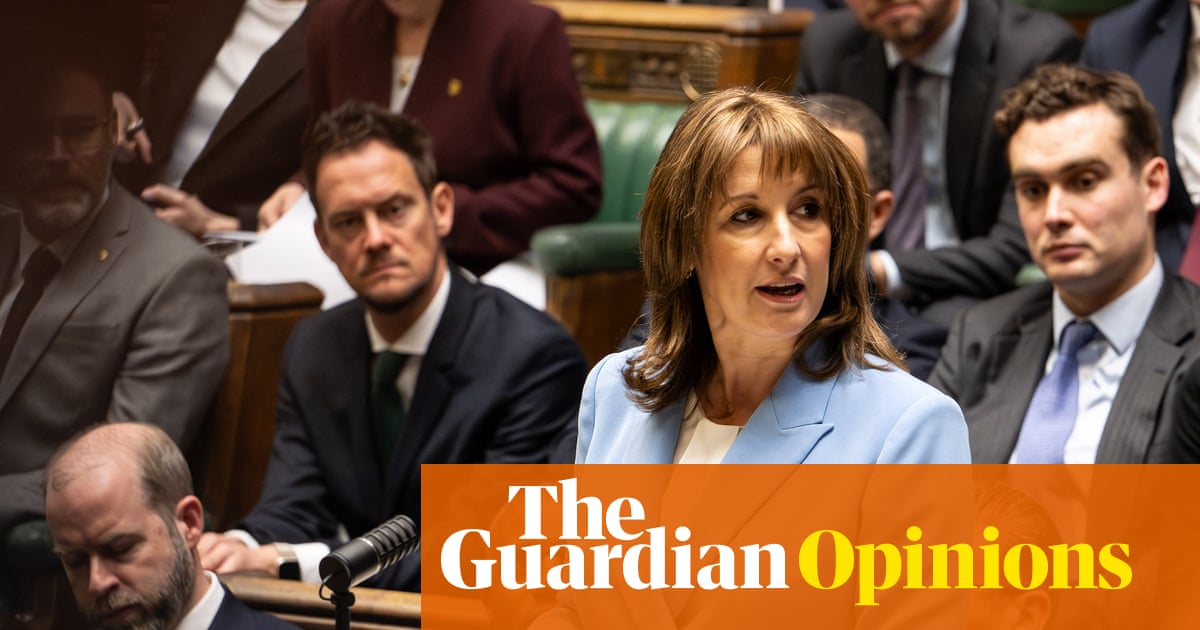
So the lifting of the limit on Monday should be celebrated. Modelling suggests that it will bring about the most dramatic reduction in child poverty seen in one parliament since records began. If these estimates are correct, 450,000 children will be lifted out of poverty by 2030. Some 480,000 families will immediately be £4,100 a year better off. Parents say it means that they may finally move away from using food banks, that they will be able to pay for hot meals at school and that their children will no longer be bullied for their clothing.
The reversal was not inevitable. It took tireless campaigning from thinktanks and charities, which made the convincing case that axing the limit would be the most decisive way to reduce child poverty. It is also unclear that it would have been made, certainly as quickly or as fully, were it not for rebellious Labour MPs. Seven of them had the whip suspended when they voted alongside other parties in favour of scrapping the cap, to force the hand of the Labour leadership.
Clearly, more needs to be done to reduce inequality and deprivation in Britain. Even once the effects of this change have been felt, an estimated 4 million children will remain in poverty. Raising universal credit above destitution levels and increasing the local housing allowance would help to embed a more drastic, lasting change.
But this week’s win should not be taken for granted. Benefits Street-type hostility is still all too widespread in Britain. When Labour was voted in, six in 10 Britons favoured keeping the cap in place – which may have added to the hesitancy around reversing it. That has reduced slightly, but research for More in Common last year found that 49% believed that removing the limit would be a “very” or “somewhat” bad idea, compared with 36% in favour. Yet strikingly, the cap became less popular when reflected on in detail. When ending it was framed as giving every child a good start, support surged.
That’s particularly important, given that other parties would happily reinstate the cap – and Reform UK has already committed to doing so should it come to power. Sometimes, huge wins can be short‑lived. Labour must talk proudly about this moment, then build on it.