2 months ago
101
2 months ago
101
Composite: Cavan Images RF; Emmanuel Wong/The Guardian, Getty Images/Cavan Images RF
Need something brilliant to read this weekend? Here are six of our favourite pieces from the last seven days
1. China wants to solve the hardest problem in robotics – making hands
Photograph: Emmanuel Wong/The Guardian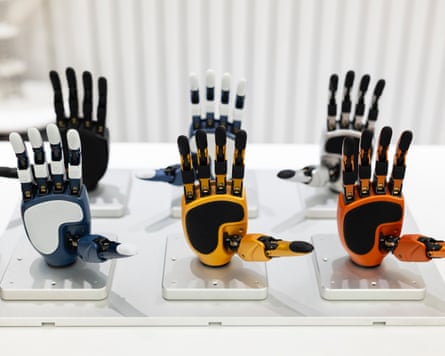
Our nimble, nerve-filled appendages are the most flexible part of the human skeleton. Many tasks that most people can do largely without thinking, from tying a pair of shoelaces to buttoning up a shirt, in fact require a complex set of neurological instructions and precise choreography. Amy Hawkins reported from Beijing on how the race to develop “embodied AI” focuses on creating dextrous hands to transform humanoid robots from gimmicks into useful products.
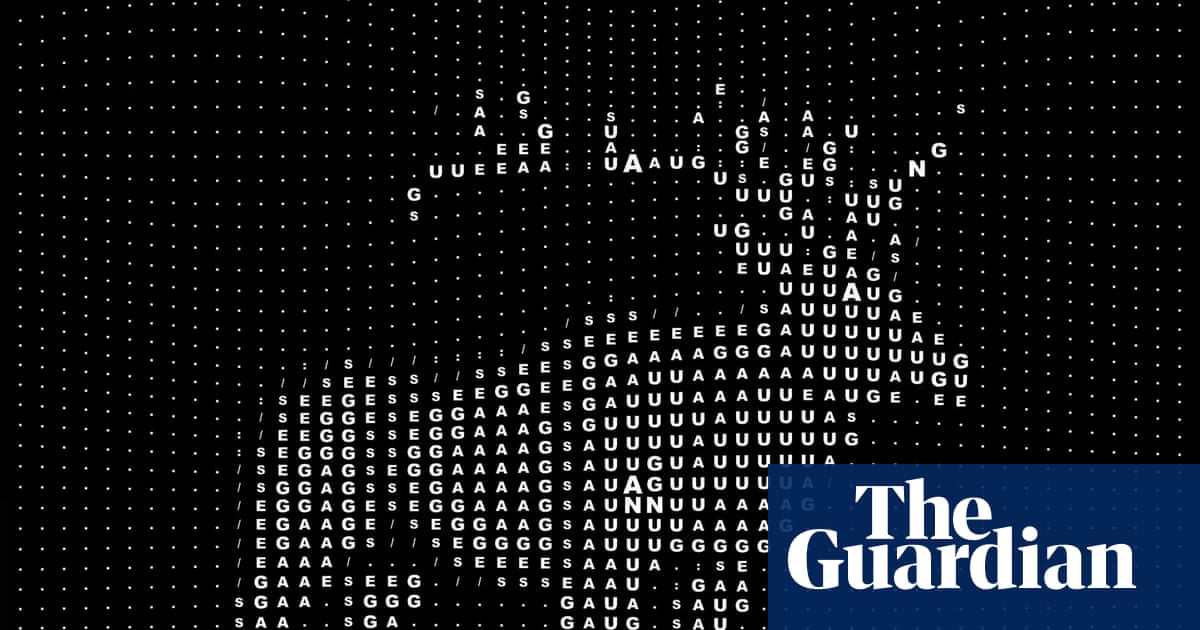
2. How AI is changing language
Illustration: Pete Reynolds/The Guardian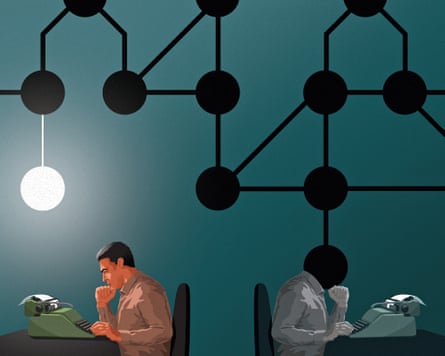
The problem is that not only does AI train on human writing, but humans are stylistically influenced by AI, the interplay creating a kind of linguistic hall of mirrors. Short of an author admitting it, it’s hard to say for certain whether an individual piece of writing is AI or not. That uncertainty is a recipe for paranoia.
As allegations of LLM use rock the literary and media worlds, David Shariatmadari spoke to linguists about what really distinguishes human and machine writing, and asked novelists including Jennifer Egan and Jeanette Winterson to reflect on the future of fiction in the age of ChatGPT.
3. ‘He hadn’t been trying to scare us. He’d been trying to kill us’: how stalker neighbours turned our dream home into a nightmare
Amanda Hutton and Richard Burton outside Fox Hill farmhouse in Pembrokeshire, west Wales. Photograph: Leia Morrison/The Guardian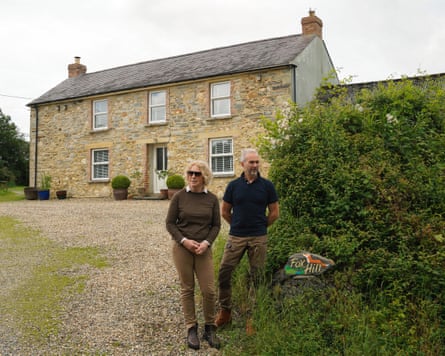
Amanda Hutton and Richard Burton were busy doing up a dilapidated Welsh farmhouse when a young couple bought the land next door. They seemed odd yet basically harmless – but their increasingly troubling behaviour soon escalated into a full-blown campaign of terror. They recounted the ordeal in this gripping feature.
4. The rise of blue-space therapy: how the sea is helping people deal with trauma, anxiety and addiction
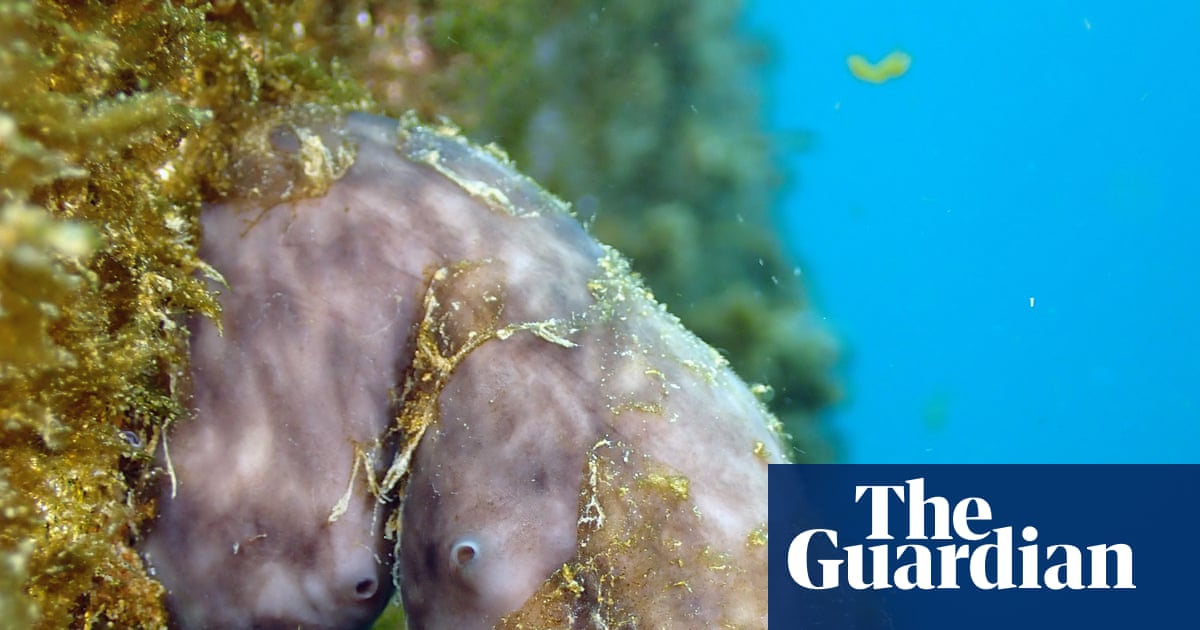
Photograph: Cavan Images/Getty Images
When we go to the water, our shoulders drop, our eyes and face soften. We start breathing more slowly. We’re concentrating but we’re not concentrating … we’re in a state of drift.
The ocean has long framed restorative practices for better health around the world, from Victorian-era doctors prescribing “sea cures” for patients to the modern-day trend of cold-water swimming. But the idea that exposure to oceans, rivers and lakes can be medicine for the brain is gaining traction. Tamara Davison wrote about the draw to water, which is known as the theory of blue space, or blue mind.
5. Kill zones and drone nets: a journey through Ukraine’s fortress belt
Composite: Prina Shah for the Guardian/Getty Images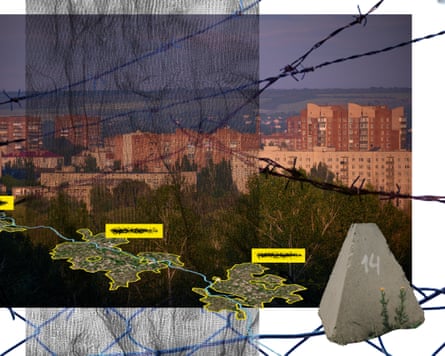
Technology has turned everything upside down. We have had very tough fights in the Donbas, but those hard times forced us to think and be creative.
A strategic line of towns and cities is crucial to Ukraine’s defence – and where the war is at its most brutal. It has come to epitomise Kyiv’s years-long strategy to tie down and exhaust Russian forces in eastern Ukraine in an urban landscape ringed by trees and rivers. Peter Beaumont visited the fortress belt, where anti-drone nets cover roads and buildings, and soldiers and civilians live under constant threat of Russian attack.
6. ‘I was there!’ Writers remember legendary gigs by Beyoncé, Brian Wilson, Britney, Oasis, Daft Punk and more
Beyoncé performs at Coachella on 14 April 2018. Photograph: Larry Busacca/Getty Images for Coachella
The dialogue she created between screens, props and flesh-and-blood artist was nearly a decade ahead of the curve.
What’s it like to catch a gig so great it goes down in history? Guardian writers relived incredible performances by everyone from Amy Winehouse at the North Sea jazz festival to Kanye West at Glastonbury.
Explore more on these topics