3 hours ago
6
3 hours ago
6
One day in the early 1990s, I came home from university for the weekend and discovered that my dad had bought himself a Sega Mega Drive, bundled with a copy of Sonic the Hedgehog 2. I knew about Sega’s mascot of course. The launch of the original Sonic the Hedgehog game in 1991 was a landmark moment for the company, massively boosting the sales of its 16bit console in the west, ripping market share from the dominant Super Nintendo. While Mario was the family favourite, Sonic with his speed, attitude and brash visual energy encapsulated the edgy spirit of the early 1990s MTV culture. That weekend, Dad and I did little else but team up for daylong Sonic sessions, the game’s two-player mode letting us play cooperatively as we zoomed through those dense, beautiful play zones.
Thirty-five years later, I am still a Sonic fan. There have been plenty of rough times (Sonic 06, Sonic and the Secret Rings, Sonic Free Riders – sorry, I can’t go on), but there have been plenty of good ones too. (Rush, Mania and Colors, and I have a soft spot for Sonic R, a racer developed by Traveller’s Tales, which went on to make the Lego games). Few people know this rollercoaster better than Takashi Iizuka, who worked on Sonic 3 as a designer and has been series producer for almost 20 years. When he joined Sega in 1992 he wanted to work for the company’s arcade division, but after playing the original Sonic – especially Sonic 2 – he was seduced.
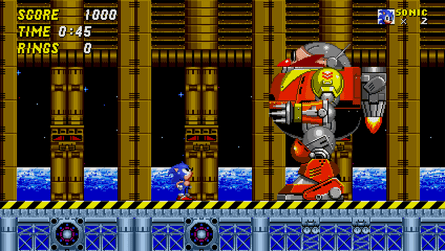
“I do believe that Sonic the Hedgehog 2 is one of the best of the classic series, and the introduction of two-player gaming helped make it so special,” he says. “The team had been thinking about a two-player mode for Sonic the Hedgehog that we weren’t able to incorporate at the time, so achieving this in the sequel was vitally important. It was a challenge, because the development time for Sonic 2 was very tight; but Sega is always willing to try something new and take a risk, and it really paid off.”
In 1993, Iizuka transferred to the Sega Technical Institute in California, the studio set up by industry veteran Mark Cerny (who would go on to design the PlayStation 4 and 5). Here he would begin the next phase of Sonic’s lifespan, working first on Sonic 3. “I knew almost nothing about countries outside Japan,” he says. “I still vividly remember being amazed by Sonic’s popularity when I arrived in the US. At the time, the TV animated series was airing, comic books were being published and the franchise was regularly covered in newspaper articles. It was in that moment that I truly grasped the reality that a game created in Japan had captured the hearts of players around the world.”
Ivo Gerscovich, chief business and brand officer for Sonic the Hedgehog, sees this transmedia presence as vitally important. “What’s perhaps most telling of Sonic’s cultural staying power is what we’ve accomplished beyond gaming,” he says. “The Sonic the Hedgehog film franchise has been extraordinary, collectively grossing more than $1bn at the global box office and introducing Sonic to an entirely new generation of fans […] Partnerships like our ongoing collaboration with McLaren Racing speak to the breadth of audiences that Sonic can connect with.”
I was too old to connect with the cartoons at the time, but when my sons were five and seven, they managed to find re-runs of the classic Sonic Underground cartoon on TV and were hooked – mostly by its crazed, over-dramatic pop punk theme tune. I took the opportunity to set up my dad’s Mega Drive so they could play Sonic 2 together. The fact that this happened 10 years after my dad’s death added a strange, sad poetry to the moment. It was my first real understanding of the fact that we pass our heroes down to our children, sometimes inadvertently, sometimes with forceful intention.
It’s difficult now to convey what an impact Sonic had on the industry in the 90s. The game’s idiosyncratic design, powered by Naoto Ohshima, Hirokazu Yasuhara and programming genius Yuji Naka, emphasised speed and impatience; Sonic was a semi-antagonistic presence who would fold his arms and tap his feet when the player wasn’t moving fast enough. It was Sonic 2sday on 24 November 1992, that perfected the concept of the global simultaneous video game launch – an idea repeated a year later with Mortal Monday for the console release of Mortal Kombat. Both Sonic and Mortal Kombat resonated with a teen audience brought up on Animaniacs, WWE and Green Day.
Gerscovich agrees that retaining Sonic’s spiky and defiant persona has been vital. “At the heart of it is his strong personality-driven identity, which has always been bigger than any individual game or story,” he says. “Sonic has always represented freedom and an unmistakable attitude in the face of adversity that resonates across generations and that core DNA has remained consistent even as we’ve evolved the franchise.”
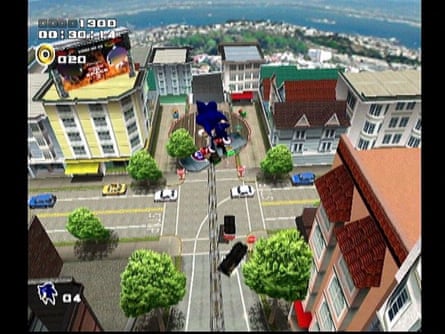
In the late 90s, Iizuka took creative lead on what may be the most important title in the modernisation of the Sonic brand: the brilliant, flawed and ambitious Dreamcast open-world platformer Sonic Adventure. “Immediately following the completion of Nights into Dreams, ‘Sonic RPG’ began taking shape in my mind,” he recalls. “The concept was envisioned as a 3D action RPG in which players would traverse the world on foot, uncovering items and hidden passages along the way. While that vision ultimately never materialised, it laid the groundwork for what would become Sonic Adventure. While the transition to 3D was necessary, the biggest challenge was creating a system that would allow players to comfortably run around within a 3D space, as they did in the original Sonic games. I don’t think Sonic would have gone on to achieve the success it did if we hadn’t been able to bring Sonic’s 3D game to life back then.”
His favourite part of the experience? Introducing the game’s dark antagonist Shadow the Hedgehog. “I love seeing fans connect to Shadow and his more emotional backstory,” he says. “He is essentially the opposite of Sonic.”
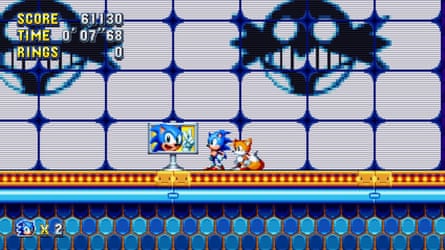
Over the past 20 years, Sonic developers have juggled the need to respect the legacy of the original games with exploring new trends and technologies – to varied effect. Iizuka loves Sonic Colors, Sonic Mania and Sonic Forces; Gerscovich namechecks Sonic Frontiers (“it introduced an open-zone gameplay experience that demonstrated Sonic’s ability to evolve and meet modern gamers where they are”). What I’ve loved is the sometimes experimental approach that Sega has taken, which harks back to the company’s defiant underdog status: Sonic Mania was created by a small team of independent developers, with wonderful results, while The Murder of Sonic the Hedgehog was a visual novel inspired by Agatha Christie and released in 2023 as an April Fools’ Day joke. I can’t really see Nintendo temporarily killing off Mario for a bit of a laugh.
Sonic, I think, is the ultimate gamers’ mascot – at least he was for my generation. When I worked in games magazines in the 90s, he was such a natural cover star, with his bright colours and wry smile, throwing a thumbs up at the camera. He inspired the edgy feel of the dedicated Sega mags at the time – Sega Power, Mean Machines Sega, Sega Pro, and the design of the games – how twisty, demanding and uncompromising they were – provided clearer inspiration to modern indie developers than Super Mario, especially in the “masocore” genre of platformers.
But I would say that, because I grew up with Sonic, I rooted for the games through fair and foul weather. Iizuka knows what I mean – I’ll leave the last words to him. “I’ve spent so much time with Sonic, and it has been incredible to see the franchise grow and expand,” he says. “Seeing Shadow arrive in movie theatres in Sonic the Hedgehog 3 was a full circle moment – I have such fond memories of working on Sonic Adventure 2 and Shadow’s introduction. I have been very lucky to continue working and creating for the franchise. I’m looking forward to the next 35 years!”