2 months ago
165
2 months ago
165
Heavy strikes echoed across Tehran during one of the country’s biggest holidays as Tel Aviv said it had “acted alone” in striking Iran’s South Pars gasfield, a move that further escalated the conflict.
Donald Trump said on Friday he was considering “winding down” military operations. He wrote on social media: “We are getting very close to meeting our objectives.”
But Israeli defence minister Israel Katz said that strikes will “intensify” in the next week, with a “significant” rise in attacks.
Despite the war, some Iranians said they were determined to celebrate Nowruz, the Persian new year. Others felt the moment did not allow for it.
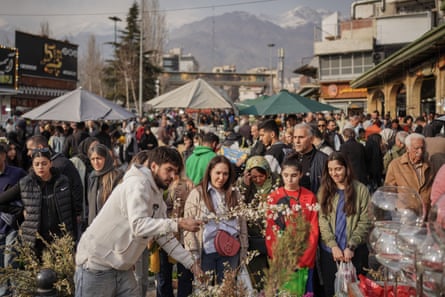
Nowruz – also celebrated across Central Asia, parts of the Caucasus and among Kurds throughout the Middle East – marks the spring equinox, and is traditionally seen as a time of renewal, hope, and new beginnings.
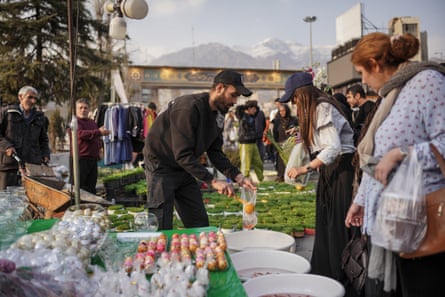
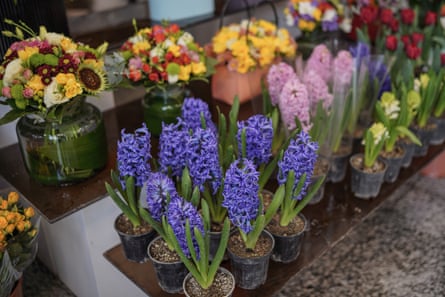
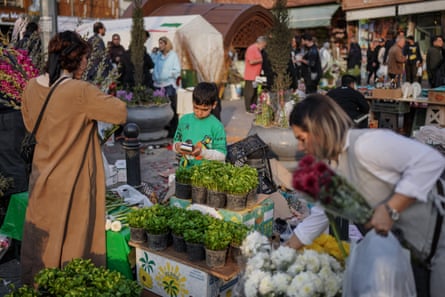
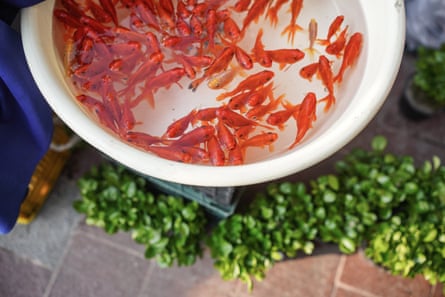
Since 28 February, when the war began, most vendors in Tajrish Bazaar, one of the capital’s liveliest covered markets, had shuttered their shops. But in the days leading up to Nowruz, some of the market’s usual energy had returned, said Ali, a 20-year-old vegetable seller. People arrived to buy flowers, fresh greens and food, as well as colourfully decorated eggs and goldfish, seen as symbols of life and movement during new year celebrations.
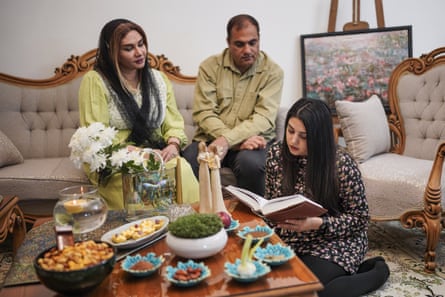
In their home in central Tehran, Darya, a 48-year-old painter, was determined to mark Nowruz despite the war. “We must preserve our traditions, especially in times like these,” she said. “It’s an important part of our culture.”
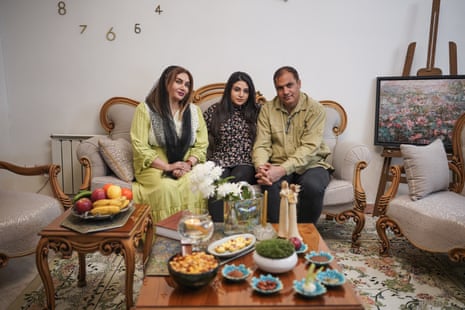
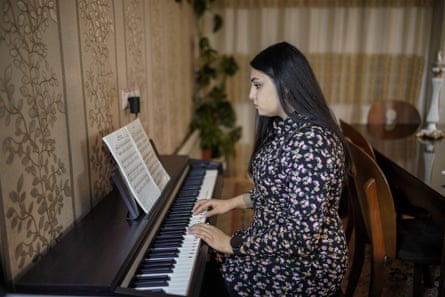
She celebrated with her husband, Mohammad, 50, and their daughter Masiha, 25, a computer science graduate. Together, they laid out Haft Seen, the traditional table set with seven symbolic items representing wishes such as renewal or prosperity for the year ahead, arranging it carefully in their living room.
For others, Nowruz came with loss.
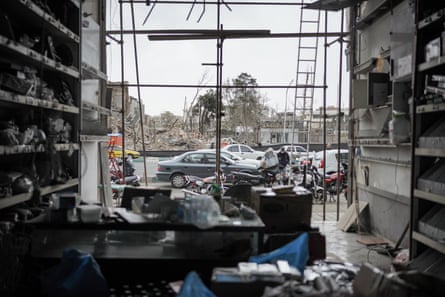
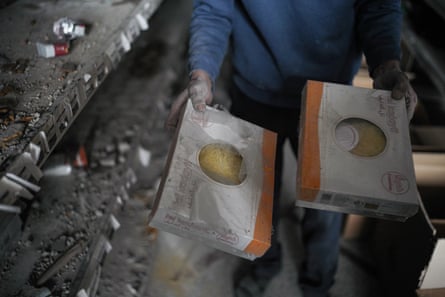
An airstrike on the Tehran Province Electricity Distribution Company in Shohada Square had destroyed Erfan’s pastry shop, Khooshe, a well known family business founded by his grandfather more than 60 years ago. On Nowruz day, it sat with its windows blown out, shelves and ovens destroyed, and wires and cables hanging from the caved in ceiling.
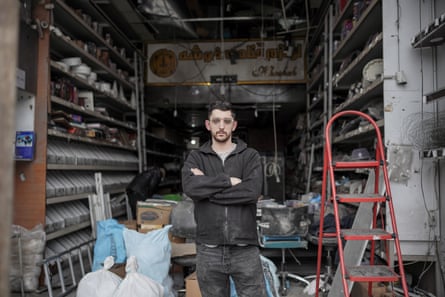
“Business had already been bad since the anti-government protests in January,” said Erfan, 28. “Now it’s Nowruz, and all I’m doing is rebuilding my shop,” he said, then paused. “We have always celebrated, but this year, I feel a lack of energy and motivation.”
Standing amid the wreckage, he added that change in Iran was needed, but not through violence and war. “If the US wanted to, they could bring positive change,” he said. “Right now, what matters most is that our government accelerates policy reforms.”
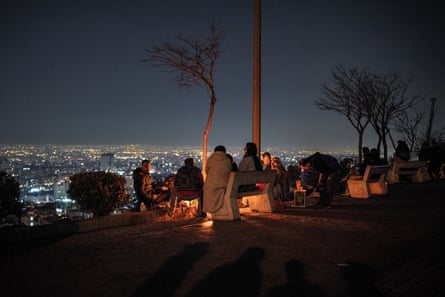
Erfan remembers last year’s Nowruz and the celebrations on Chaharshanbe Suri, the fire festival held on the last Wednesday before the new year. Last spring, Tehran lit up with fireworks, with crowds gathering on the hills overlooking the city. Music filled the streets as people set off firecrackers, released lanterns into the sky, and jumped over small bonfires lit on the roads, a ritual meant to symbolically cast off misfortune before welcoming the new year.
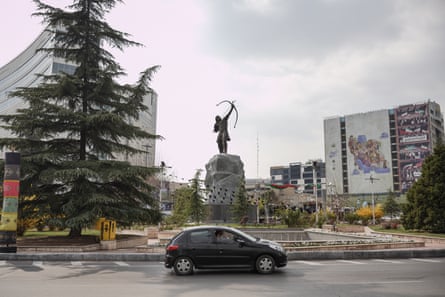
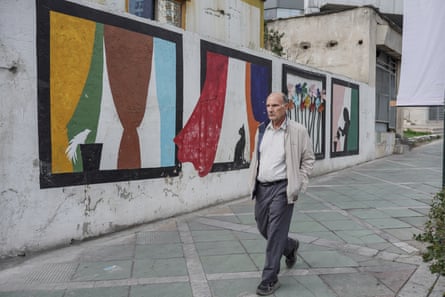
But this year, the streets remained largely empty, with only a handful of people throughout the capital lighting fires.
Still, many families continue to try to maintain a sense of normality despite the war and violence.
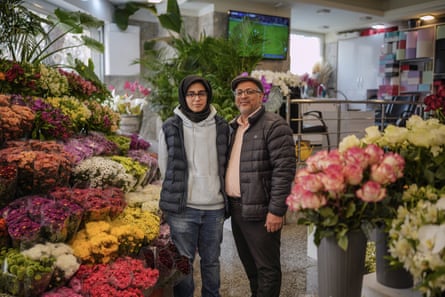
Hassan, 56, who runs a flower shop in northern Tehran with his daughter Sajedeh, 26, told the Guardian about some of the challenges he had faced.
“At the start of the war, leading up to Nowruz, we bought stocks of flowers. 90% of them went bad and had to be thrown out,” he said. “Usually, this is our peak sales period, but right now we’re selling only about 5% of what we usually do. Our regular customers aren’t buying. People aren’t feeling well, so our business suffers too.”
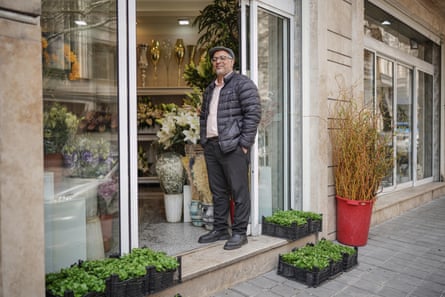
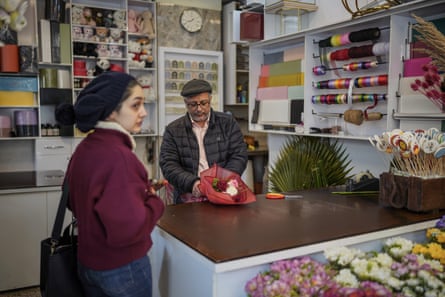
In previous years, Hassan would celebrate his birthday at his shop, which falls on the first day of the new year.
“It was so busy that I’d bring cake for my father and we’d celebrate right outside. It’s a happy memory,” Sajedeh smiled, adding, “Even during war, even if we don’t make sales, we have to keep the shop open. We decided to do so, even on Nowruz. When people pass by and see the flowers, see the open shop, and the signs of life around them, it gives them hope.”