2 months ago
60
2 months ago
60
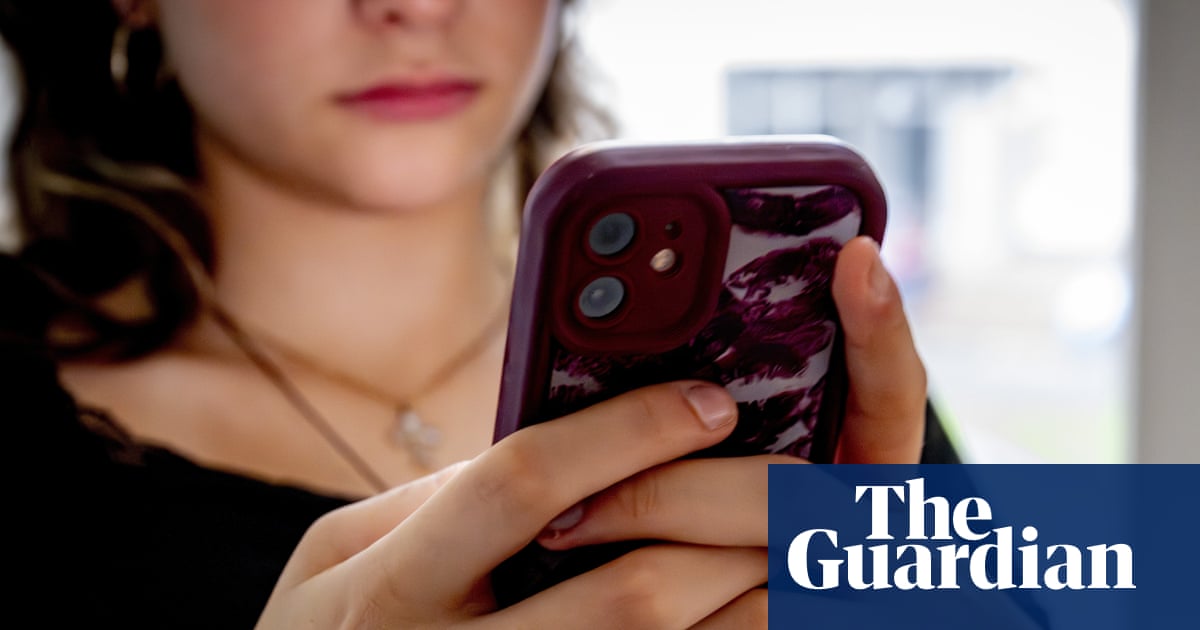
A couple of weeks after my oldest friend died, my phone rang and her name lit up the screen. It was “Gab” calling. I knew that Gabrielle Carey could not possibly be calling me but, for a few peculiar moments, I was gripped by the powerful conviction that she was.
Maybe the last few weeks had been a nightmare and when I slid my thumb across the accept button, it would actually be her speaking. Maybe she was ringing to tell me her death was all a joke and that she wanted to see if I was up for a walk, needed me to help tidy her house or had a book-related question she thought I could answer. Such is the human brain; numerous thoughts like these can scuttle through your mind in microseconds.
It was a complex feeling, both elation and disbelief, something I have otherwise not experienced because no one from the realm of the dead has ever tried to call me before. Perhaps the Germans have a word for this – they usually do.
Of course, it was not Gab. It couldn’t be. Instead, it was her son who was understandably using her phone and its contacts to organise the caretaking of some of her belongings.
We actually laughed after I explained to him my initial shock and bewilderment, because it was funny in a way. He was aware of how weird it must have been for me to see her name.
Thanks to the work of people like Elisabeth Kübler-Ross, we know the process of grief is deeply complex, and its five main “stages” are not linear and can overlap. You may feel anger as well as acceptance, denial and bargaining. You can laugh at the same time as you mourn, joking even when it seems wilfully inappropriate.
My friend Gab, who had an excellent sense of humour, processed a lot of grief in her own life and would’ve understood this. Now, when I come across her name in my phone contacts, I always think of when, for a few seconds, it seemed she was calling from the afterlife. Keeping her in this list is a way of securing her in my grieving heart. And she is not the only one: my contacts still include the details of other women, now gone, who were all vitally important in my life.
Gab was the first of these to depart. Three months later it was my former university supervisor, Elizabeth Webby, whose support was the only reason I obtained a doctorate and then an academic job. The next to die was Dale Spender, who was the catalyst for me enrolling in that doctorate. Six months after that, Dale’s sister died. Lynne Spender had been my English teacher when I was 17 and steered me towards writing, thus opening up the rest of my life.
Within a year, all these extraordinary women were deleted from my world, but I shall never consciously delete their phone numbers nor their email addresses.
Is this weird? Is there something wrong with me that I can’t let these beloved but dead contacts go? I turned to Google to find AI explaining that “mobile phone contact hygiene involves auditing, merging, and deleting obsolete or duplicate entries to improve usability and accuracy, ideally done quarterly”.
Quarterly? Surely this task, like organising the sock drawer, is something to do only when you are seriously bored. Disregarded here is the fact that retaining contacts of people you have loved provides a necessary tethering. We may not contact them again but they could never be described as obsolete. Just by looking at a name in my list I can remember what Gab and I last talked about. Without even opening the message I recall what Lynne texted me, a few days before she opted for voluntary assisted dying. It is a comfort; a way of holding them close.
Even though Kübler-Ross developed her theories of death and dying long before we literally carried our contacts around with us, I feel she would have agreed that holding and cherishing their names like this, remembering those final conversations and rereading the last text messages, is also a necessary stage of grief.
-
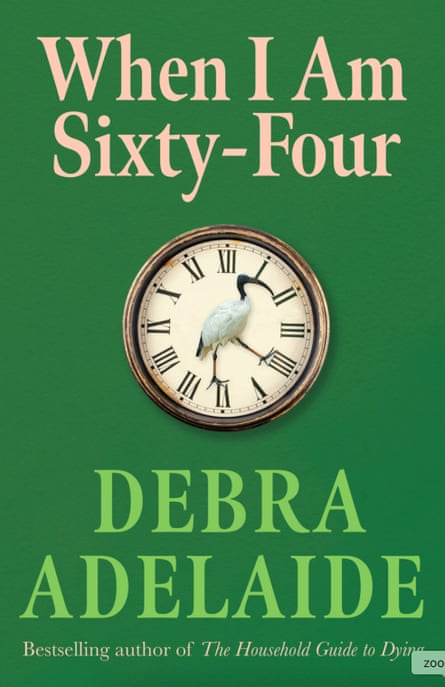
Debra Adelaide’s new novel, When I Am Sixty-Four, is based on her friendship with Gabrielle Carey