3 months ago
163
3 months ago
163
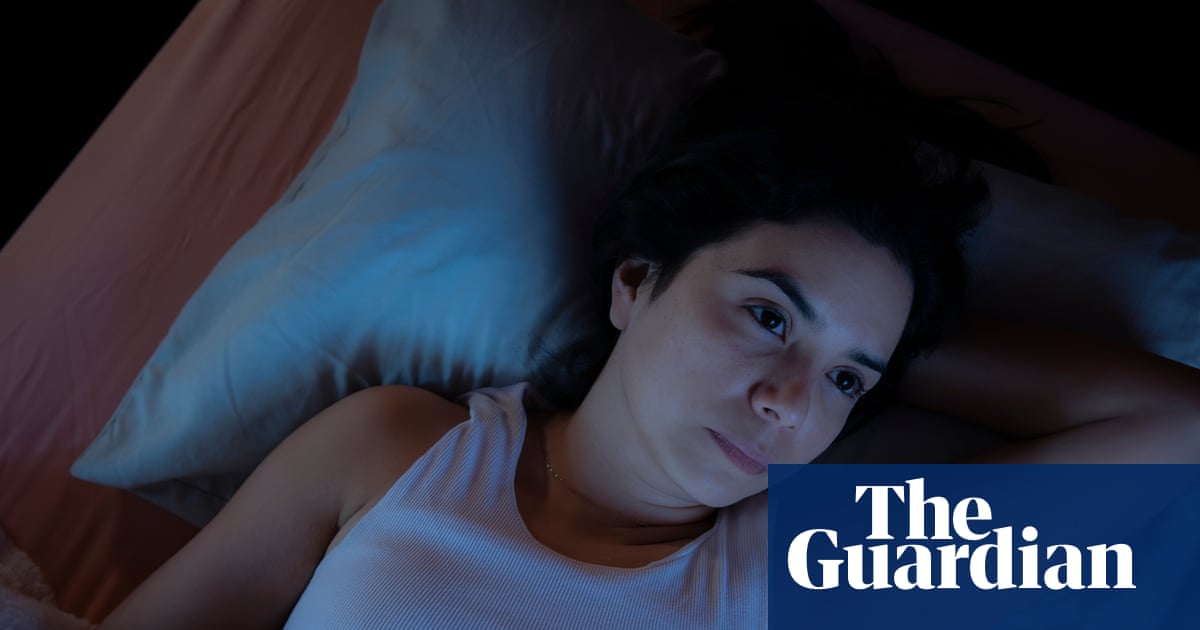
The Home Office could face legal action from hundreds of asylum-seeking families stuck in single rooms in hotels after a judge criticised the “extraordinarily stressful” conditions in which they are expected to live.
In a ruling, the deputy high court judge Alan Bates questioned why two families had been forced to live in single rooms for more than three years. He said they should have been moved to alternative accommodation within three months.
Bates said the conditions in which a Kurdish Iraqi woman lived with her husband and two young children in a hotel room in Finchley, north London, did not provide them with a “dignified standard of living”.
In another case, he said an Albanian woman who was a victim of trafficking should not have been expected to live with her two teenage sons in an en suite room in Croydon, south London. She had lived there for more than three years.
Last week the government said it had closed 11 asylum hotels and sent many claimants to live in army barracks instead.
Lawyers for the families in the high court claim believe the judgment will open the way for further action from other asylum-seeking families stuck in single rooms, depending on the composition of the family unit. There are about 4,300 families in “initial accommodation”, which is usually a hotel room.
Sasha Rozansky, a partner at Deighton Pierce Glynn who represented the two women who brought the claim, said the Home Office would need to prioritise getting families out of hotels within three months or face further legal action.
“In light of this judgment, the use of hotels for families for anything more than three months must end immediately,” she said. “Although the government has pledged to end the use of hotels within the asylum accommodation estate by 2029, it is hard to see how it can lawfully continue placing families in hotels until then.”
A Home Office spokesperson said: “It is simply not true to say that the judge found most families in hotels should be moved out within three months. This judgment was based on two individual cases.”
The judgment was handed down on 26 March after two judicial review claims argued the Home Office had failed in its duty to provide adequate housing for people seeking refuge in the UK.
The Kurdish woman, known as SH, came to the UK from Iraq with her husband and their son in October 2022 and claimed asylum on arrival. Since December of that year, the couple have lived in a hotel in Finchley.
The son is now seven and they have a two-and-a-half-year-old daughter. The family’s room has three single beds, two of which are pushed together, an en suite bathroom, a fridge and a small kettle. There is no kitchen area, table, desk or chair, so the son completes his school homework sitting on a bed.
Bates considered the size and facilities of the accommodation and the makeup of each family. He said in a judgment that the living situation of the Kurdish family must have been “extraordinarily stressful”, particularly after their daughter was born.
“The fact that the whole family was still living in one room meant there was nowhere for any of them to go for undisturbed sleep,” he said. “Whilst such a state of affairs might be acceptable for a short period, a continuation for longer than around three months was in my view too long to be consistent with providing them with a dignified standard of living.”
The ruling said the Albanian woman, identified as BWO, arrived in the UK in July 2022 with her two sons who were 17 and 12 at the time. Over three years, they lived in a single hotel room in Croydon with a single and a double bed, court documents said.
“In my view, the room provided could not be regarded as ‘adequate’ for anything longer than a relatively short initial period (eg three months),” Bates said. “That is because, even at the outset of that period, her sons were already of sexually mature ages, one being 17 and the other 12. These living circumstances would, in my view, be incompatible with personal dignity.”
Experts in immigration law told the Guardian the case was “very useful” for helping people understand their rights and would lead to legal action from specific cohorts.
Imran Hussain, the director of external affairs at the Refugee Council, called on the government to act. “End the use of expensive and impractical asylum hotels this year by giving limited leave to people from countries where we know most asylum applications succeed,” he said.