1 month ago
73
1 month ago
73
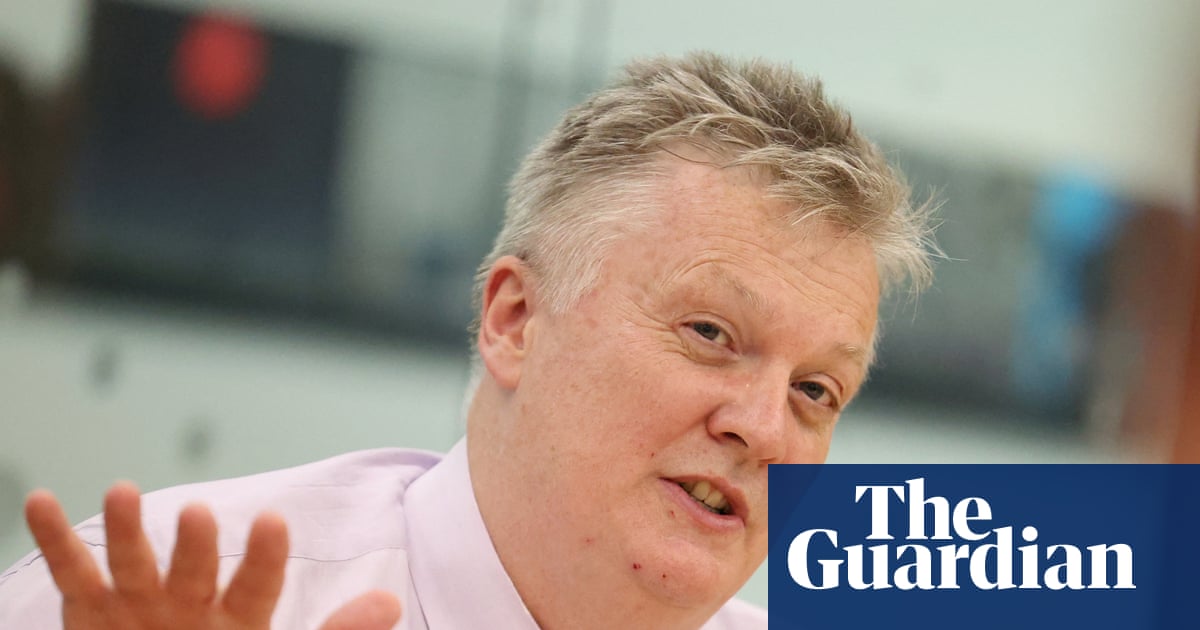
It was supposed to be a carefully choreographed walkabout for John Swinney through his party’s target seat of Hamilton. Instead, the Scottish National party leader was confronted by angry voters, including his own.
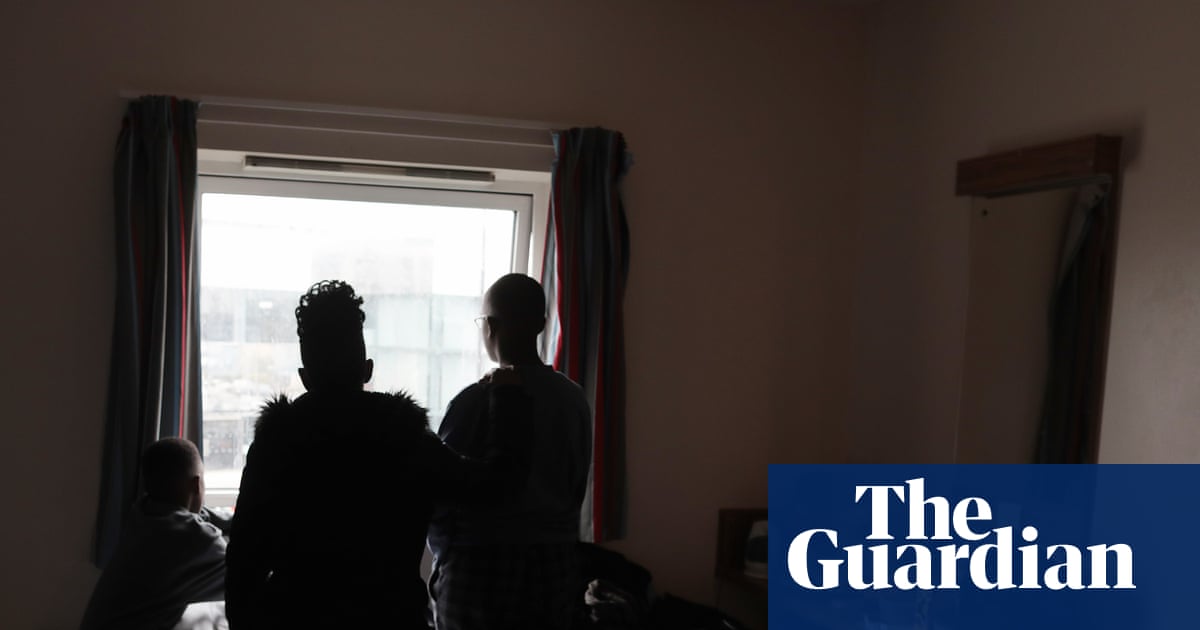
Natasha Kelly, 35, railed against the local council’s failure to improve the damp council flat that had left her 13- and eight-year-old boys with chronic asthma.
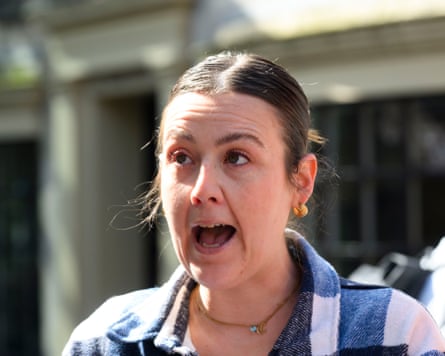
A pro-independence SNP voter, she is wavering. Swinney briefly placated her with the promise of immediate action by his candidate. “I do believe in the SNP but I am losing faith vastly,” she said. “I can’t be concerned with my own country, when I’m concerned about my sons.”
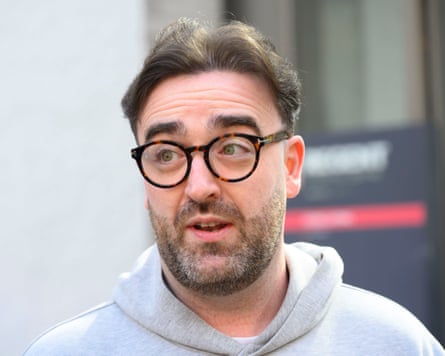
Before her Gavin Boyle, the owner of a popular Glasgow bar, was furious at his 438% hike in business rates, which has raised the venue’s bill to £645,000. Swinney tried to placate him too. That failed. He won’t vote SNP, nor for another party. “They’re as bad as each other,” he said.
And the daughter of an elderly woman struggling with failing social care wept as she spoke to the first minister.
It was a rare insight into public emotions after a campaign that has been “uninspiring, short of fresh policy and ideas, and failed to make an impression on voters”, according to the polling analyst Mark Diffley.
This lack of enthusiasm has resulted in the most unpredictable Scottish election for more than a decade, where expectations may yet be upended by turnout and tactical voting.
Even as the SNP heads towards a gravity-defying fifth term in office, the contrast with its 2021 result is striking. Then the previous leader, Nicola Sturgeon, was riding high on her pandemic popularity, winning 47.9% of the constituency vote and electing 64 MSPs, one short of a majority; now its poll ratings are in the mid-30s.
Scottish Labour, meanwhile, held its noisy eve-of-poll rally in Glasgow, where the party faces challenges from the SNP and Reform UK. Some pollsters calculate Scottish Labour’s deputy leader, Jackie Baillie, could lose Dumbarton, a seat she has held since 1999, to the SNP – a forecast she dismisses, firmly.
Amping up the crowd, the party leader, Anas Sarwar, had supporters chanting the core doorstep message: “Reject Reform, beat the SNP, change Scotland and vote Scottish Labour.”
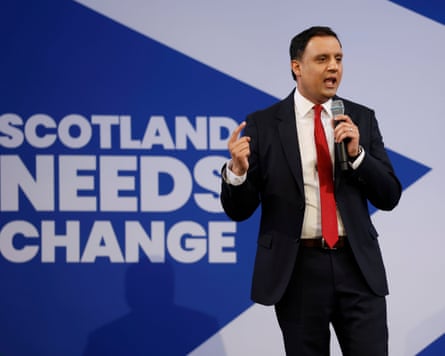
Despite the buoyant mood in Glasgow, in private Scottish Labour admits it will not beat the SNP, but argues Sarwar could still be in a position to challenge Swinney for first minister. Senior figures are adamant their doorstep data means they could win up to 23 constituency seats, and a swathe of regional top-ups.
Over the past 72 hours of campaigning Labour has staked £200,000 on the heaviest social media advertising campaign yet in a Scottish election, in an attempt, said one source, to “flood the zone” and pick up wavering voters.
A senior source predicted Labour will come second “unless something pretty seismic happens in the next few days. I think the SNP will be down quite substantially. I don’t think they will be in the 60s: might be in the 50s or might be lower than that.”
Polling earlier in the campaign revealed an unusually high number of undecideds, and Scottish Labour figures insist more don’t knows are switching to them than any other party, but they acknowledge losing some working-class voters to Reform and the SNP.
The SNP is showing some signs of nervousness, doubling down on its core vote strategy in the final days by pledging a vote on independence powers on day one of the new parliament. This may suggest it is in a weaker position than it would like to be.
A-list supporters such as the actors Martin Compston and Alan Cummings have been drafted in, the latter urging supporters on Instagram and instructing fellow pro-independence Green supporters to choose the nationalists “in every constituency”.
The Scottish Greens, who hope to win at least one breakthrough constituency this election, are not standing in every constituency, which some observers believe is a tactical error as it leaves independence supporters who are unhappy with the SNP without an alternative.
Reform’s campaign has been chaotic, dogged by candidate resignations and revelations of social media racism, and overshadowed by headline-grabbing announcements from the UK leadership.
Reform’s Scottish leader, Malcolm Offord, has struggled to cut through with voters, while his boast on a televised leaders debate about having “six houses, five boats and six cars” invited derision from his opponents. Research for More in Common suggests that Scottish Reform voters are less enthused than in England or Wales.
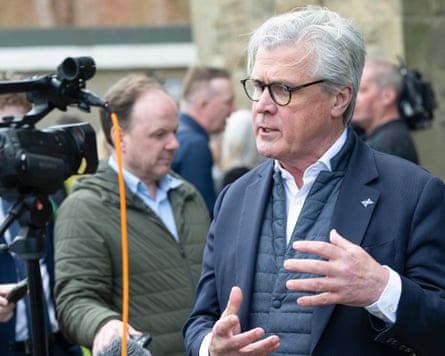
This matters, given the uncertainty about who will vote Reform on Thursday – regular voters who have dumped mainstream parties or non-voters enthused by its disruptive offer – and how likely they are to turn out on the day, especially given local reports that the party lacks a ground operation even in areas where it is popular, such as Aberdeen.