1 month ago
75
1 month ago
75
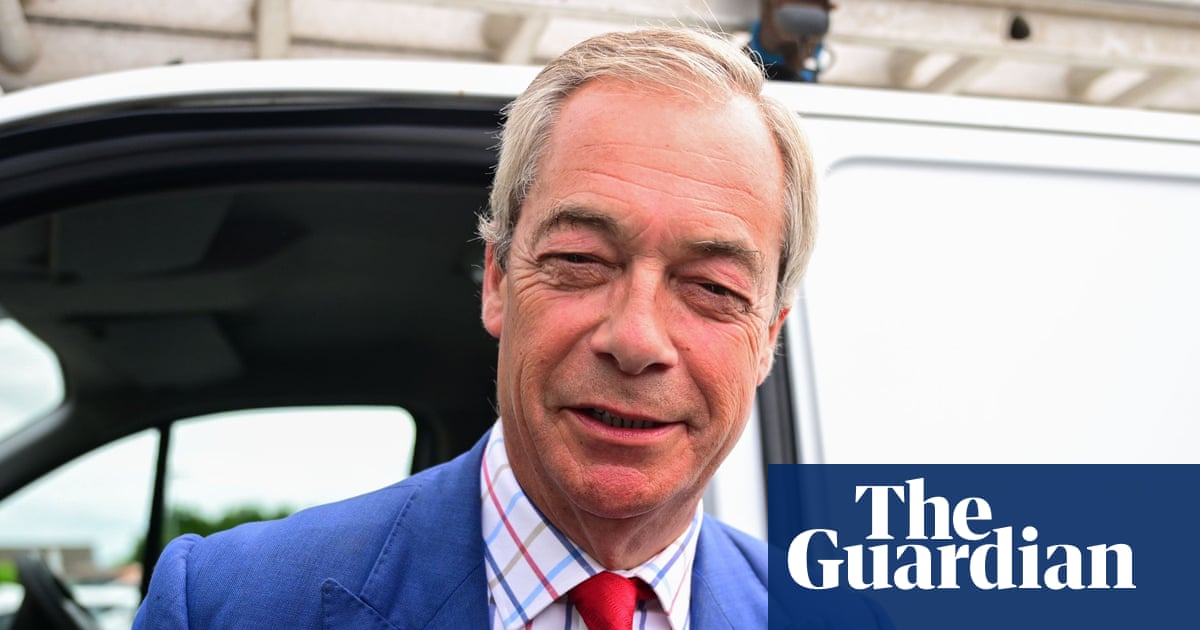
On a sunny but cold evening in a shopping centre car park on the outskirts of Merthyr Tydfil, Reform UK supporters enjoyed free pizza and loud music as they waited for what the party leader, Nigel Farage, said was his last big speech before Thursday’s Welsh Senedd, Scottish parliament and English local elections.
Reform could win the most seats under Wales’s new more proportional voting system but it is unlikely to be able to form a government, as other parties have ruled out going into coalition with it. Yet Farage’s outfit is the first rightwing party with a shot at winning in Wales since the 1850s. The surge in support for a party that got 1% of the vote in the last Senedd election is impossible to ignore.
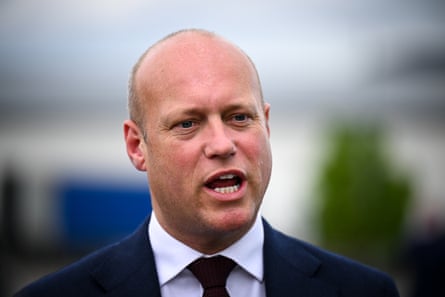
“A coalition of losers blocking the biggest party [Reform] will backfire, if that’s what happens,” the party’s Welsh leader, Dan Thomas, told the Guardian. “I think that the people of Wales will be very determined next time around to make sure that the biggest party wins.”
After more than 100 years of dominance in Wales, support for the Labour party has collapsed, with former voters seemingly going to Plaid Cymru or, in lesser numbers, to Reform – opposite ends of the political spectrum. The two parties have been neck and neck throughout the campaign.
Laura McAllister, a professor of public policy at Cardiff University, said the Welsh nationalists and Farage’s party were in a similar position. “The definition of ‘winning’ is always contestable in PR elections. Often the largest party emerges with similar proportions of votes and seats to other parties, so of course Reform are going to exploit that, quite understandably, if that’s what happens.
“That said, they’ve always known their route to power or government is more constrained than Plaid Cymru, because there’s more parties on the left in the Senedd, and the growth in the Reform vote has cannibalised the Conservative vote.”
At the same time as Thomas and Farage were speaking on Tuesday night, the final YouGov poll before the Senedd vote put Plaid Cymru slightly ahead, on 33% to 29%. The poll underscored the polarisation among Welsh voters: it found “stop Reform” was the single biggest factor influencing respondents’ votes, at 14%. The second highest was immigration, at 10%.
Immigration policy is not devolved to the Welsh government, and the country has one of the lowest ratios of asylum seekers relative to population size out of any UK region or nation, but the issue still made up a major portion of Farage’s Merthyr Tydfil speech. The party has been accused by other politicians of stoking fear and division around immigration. On Tuesday, however, Farage’s comments were met with cheers and applause.
Thomas said: “Whether we like it or not, [immigration] is a top three concern of Welsh voters, and there needs to be a party that reflects that. Now, I accept that the Welsh government has no powers over immigration, but it does come up on the doorstep, it comes up in debates.”
Barrie Lewis, 74, had travelled from Swansea to Brecon for a Reform event on Tuesday morning before following Farage to the evening rally in Merthyr. “I’ve had enough of Labour and Plaid Cymru; they’ve run Wales into the ground,” he said. “They’ll probably form a coalition again to keep [Reform] out. But we’re a new party, and we’re still doing really well, and Dan will be there in the Senedd to hold them accountable.”
The army veteran said the Welsh election was also a vote about Keir Starmer. “He’s never here, he’s always abroad, he doesn’t know or care what people at home think,” he said.
On Wednesday, Eluned Morgan, the Welsh Labour first minister, appeared to acknowledge that Starmer’s unpopularity could contribute to her party losing control of the Senedd. Some polls predict Labour, which has ruled Wales since devolution began in 1999, could end up on a single-digit number of seats and that Morgan will lose her seat.
“I’m certainly hoping that [Plaid Cymru and Reform UK] won’t [take control],” she told the Telegraph. “But there is a danger that that could happen, and I don’t want to see that happening. I do hope people will reflect on what this election is really about – and it isn’t a time, I think, to pick a fight with Starmer. There’s a general election, that’s the time to do that.”