2 months ago
90
2 months ago
90
The Dome, west London
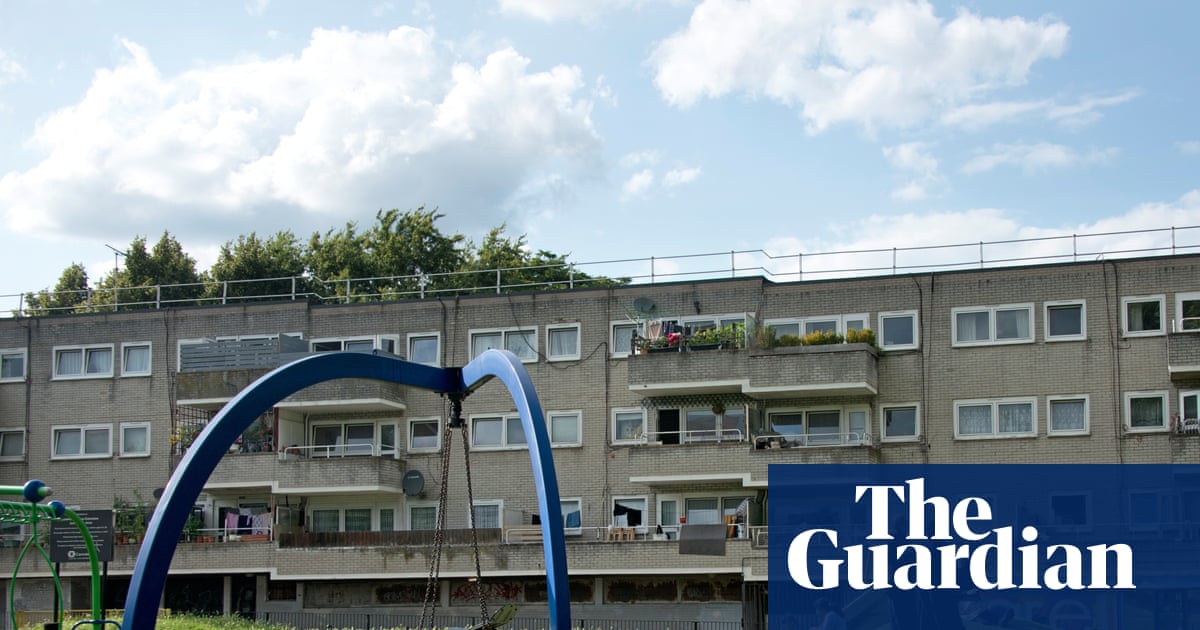
In the mid-1980s, as a Black kid from a Battersea council estate, pubs were not part of my life. To my mind, they were where white blokes got lagered-up before rolling out on to the streets to abuse people who looked like me. None of my mates were big drinkers; we were much more interested in music (rare groove and hip-hop) and trying to meet girls. Rooms full of aggressive-looking men held no attraction for any of us.
Our early adult years were about dancing and house parties, and it was only after enrolling at the achingly trendy Richmond College that we were introduced to pubs and bars as meeting places, rather than spaces to get your head kicked in. Ironically, the most popular meeting spot by far, the Dome, was less than a mile away from the council estate where we grew up. That 15-minute walk across Battersea bridge and down Beaufort Street was like walking through a portal into another universe.
It was a dark, unspectacular place with a central bar and seating all around. It wasn’t even officially called the Dome until the early 1990s, but it had a striking domed roof and I never once heard this traditional pub (allegedly a meeting spot for the Sex Pistols in the 1970s) referred to by its actual name back then, the Roebuck.
To me and my friends, the Dome seemed the very height of Thatcherite hedonism. The coolest kids from our estate would go there and mingle with the wild children of the wealthy to flirt and hear about the night’s parties. To me, it felt like Willy Wonka’s chocolate factory, but for attractive women. The Dome was my gateway to a world of middle-class people and it changed my outlook on life completely.
The youth culture on our estates at the time could be roughly divided between “raggas” and “trendies”. Raggas were tougher: they were more influenced by Jamaican culture and listened to sound systems. Trendies, or “freaks” (my group), thought of ourselves as more fashionable, less aggressive and more into jazz-funk and rare groove. The line between these groups was very vague, and often crossed family lines and overlapped when it came to soul and hip-hop.
On our estates we were not the hard kids: our flamboyant clothes, relaxed hair and attempts to appear sophisticated would often be a target of ridicule from the estate’s raggas. Stepping across the border from Battersea to Chelsea, we went from being the weird “freaky” boys, too soft to bother with, to being the “edgy cool Black guys from across the road”.
Seeing the wealthy up close in the Dome not only widened my horizons, it also helped to break down some of the other mental barriers I had constructed. I’m still friends with lots of the people I met at that time. They were wonderful, interesting and insecure. Realising that “successful” people are every bit as flawed as me and my mates were back then has served me very well ever since.